
Music tunes kids in to learning from the very first day of life. After all, even babies in neonatal care experience reduced heart rates and deeper sleep when listening to live music. Research shows that musical activities stimulate development in every area of the brain: vision, balance, speech, behavior, sensation, skill, movement, and emotion. Music also impacts all learning domains (cognition, language and literacy, social and emotional, physical, creative, music). Music celebrates the unique joys of each year and developmental stage and prepares children for a lifetime of learning.
Musical activities to try at home or in the classroom that tune kids in to learning
For Babies: A baby cooing and babbling and imitating a lullaby being sung is learning how language works while also bonding with a caregiver. Gently swaying with the baby in time to the music adds vestibular development, pivotal to balance, coordination, eye control, and movement.
 For Toddlers: Toddlers who march, stomp, jump, and tiptoe to a steady beat tapped on rhythm sticks are discovering new ways to move their bodies—and gaining confidence and an understanding of spatial awareness, too. Instructing children to stop when the beat stops (and moving when the beat starts again) includes inhibitory control development as toddlers learn to control their bodies.
For Preschoolers: In a Preschool class when children experience musical rhythm patterns through movement, they also lay an early foundation for reading music and words on a page. When preschoolers play instruments along to the rhythms in a song, they also practice active listening and pattern recognition—with strong correlations to word recognition, speaking, reading, writing, and even math.
For Big Kids: When children intently listen for the sounds of a specific instrument in a song, use wood blocks to produce a staccato sound, or move smoothly with scarves when they hear the music change from staccato to legato, children practice active listening. Considering that school children spend an estimated 50 to 75 percent of classroom time listening to the teacher, to other students, or to media, developing strong active listening skills prepares kids for classroom learning.
Musical learning: The ultimate multi-tasker
According to the National Association for the Education of Young Children (NAEYC), “Any activity that stimulates one area of development automatically influences others. Good curriculum design must recognize and plan for this integration.” Activity by activity, every lesson in Kindermusik is designed to address multiple areas of development—and to tap into a variety of individual learning styles. Kindermusik’s carefully crafted activities and deliberately integrated sequences set the stage for optimal, multi-sensory learning experiences.
For example, children exploring the concepts of fast and slow might hear music that alternates between the two tempos. They may practice moving or playing instruments in time with what they hear. They could hear a story about a slow snail and a fast cheetah. In short, they explore and internalize the new concepts more effectively through multiple senses and activity types. (Not to mention, such an activity cluster also hones listening skills, self-control, expressive movement proprioception, coordination, and other skills!)
 Find out more about Kindermusik at
 Apparently, most Americans love music, too, at least when it comes to music preparing them for successful careers. According to a new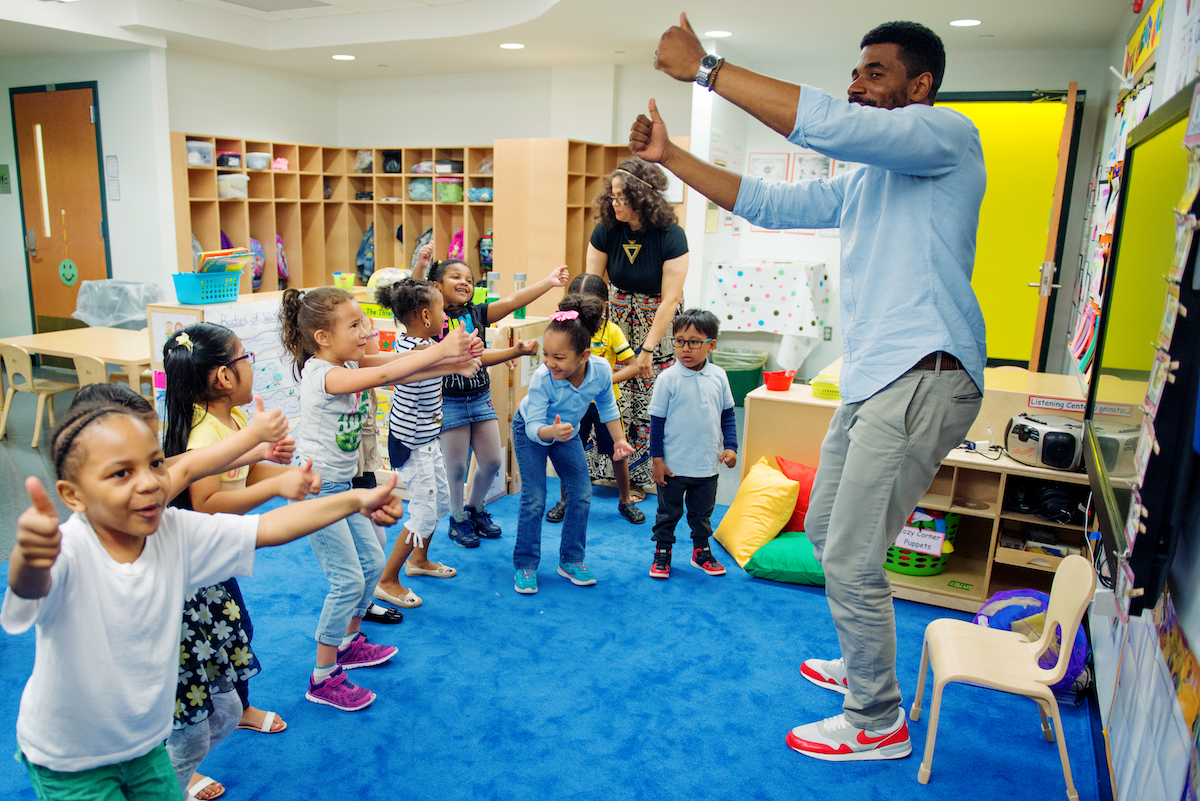
 When young children are consistently engaged by music in an age-appropriate, socially accepting environment, they benefit at so many levels. Learning through music literally lights up every area of a child’s brain and teaches little ones to love learning. So, in our music education classes for babies, big kids, toddlers, preschoolers, and families when we recite a nursery rhyme, participate in a circle dance or movement activity, play a vocal game, and explore instruments, children develop skills in early literacy and language, spatial-temporal and reasoning skills, physical development, and creativity.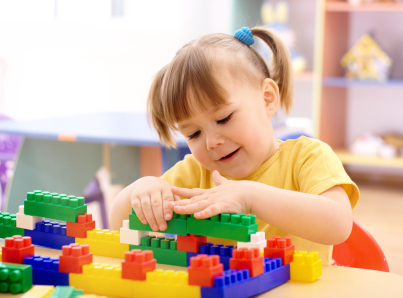

 For Babies: (From Cuddle & Bounce, “Bluebird, Bluebird”—Crinkly, Furry, Bumpy, Strange
 You know that feeling, when you’ve spent a great day at the beach and you just wish you could bottle it and bring it home with you…?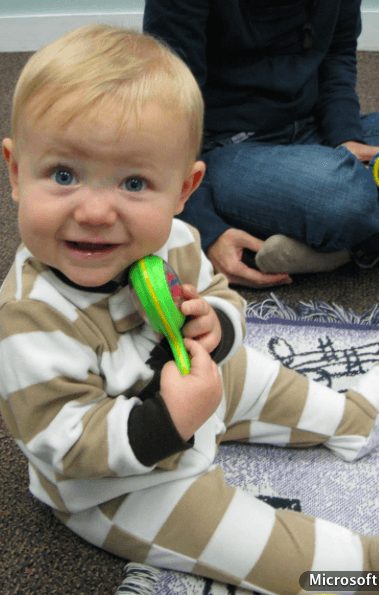





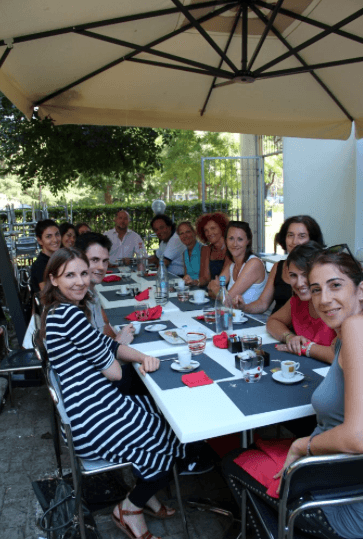
 With educators in over 70 countries, you can imagine we speak a lot of languages when we get together! Thankfully, we do share one common language: music and learning. A group of VYL ELL teachers in Italy recently experienced this common language at a one-day training session hosted by Kindermusik.
 “I’ve really enjoyed this ABC English & Me Training day. It was very informative and gave us many opportunities to try out this comprehensive and effective way of teaching. I was pleased to see that it is based on strong research and feel it is something that will surely help me develop, both professionally and personally. I am confident that this method of teaching will successfully bring a whole new way of language learning to this school that can only benefit our students.” ~ Kate Letts – Lingua Point
 “This training was very useful. In reality, putting the method into practice is much simpler than it seems with the help of the Kindermusik site and digital teachers guides. I have no doubt that the children will find the lesson activities engaging and fun. On the other hand, the teachers can find all the support necessary on the website and through the music provided.” ~ Sara Verducci – The Victoria Company
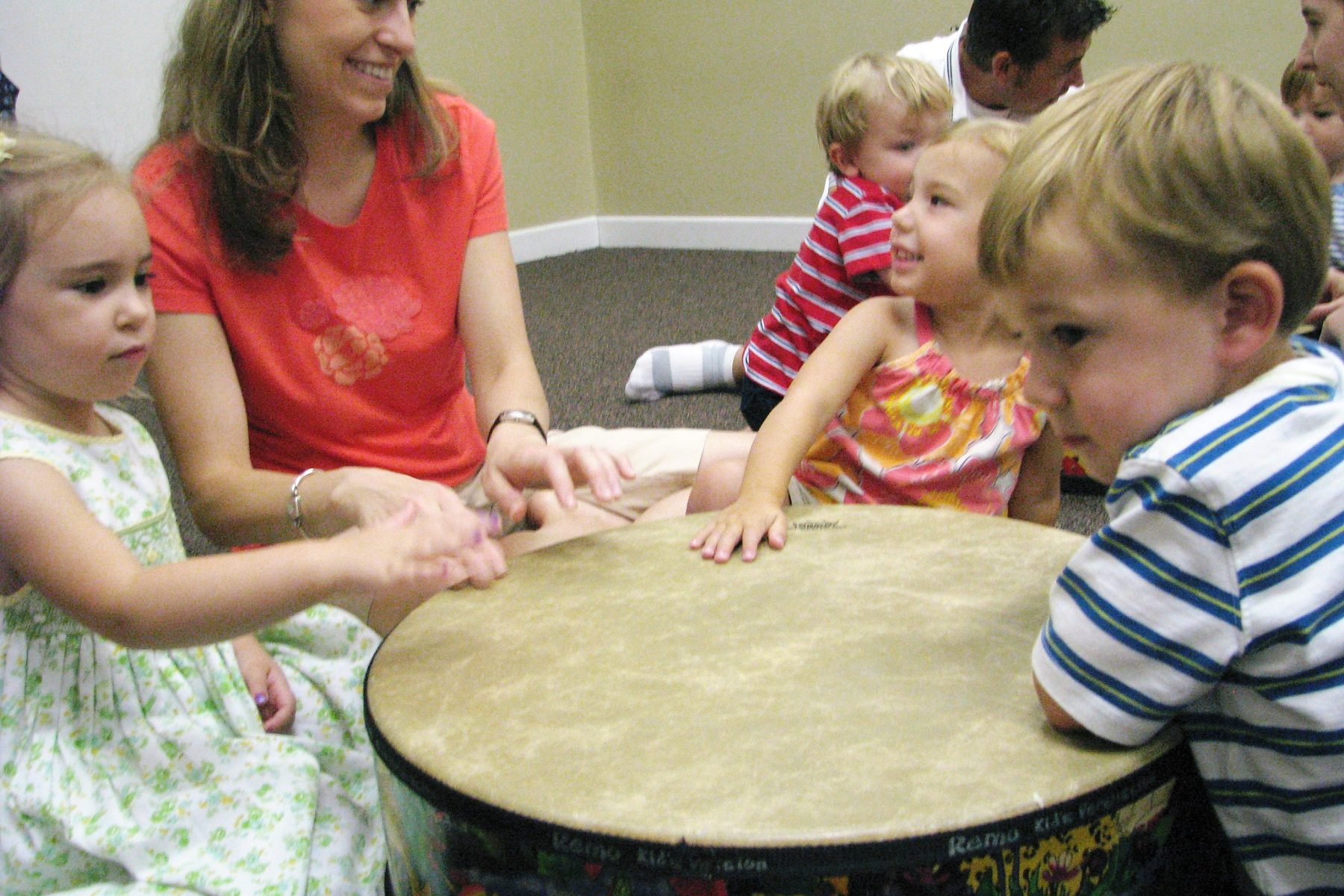
 The term scaffolding evokes the image of a temporary support structure in a construction site. The process of scaffolding in an educational sense is much like the traditional definition of scaffolding as a temporary support system used until a task is complete and a building stands without support. That sounds a lot like our job as parents, doesn’t it? We provide a temporary support system for our children until they can stand on their own in the world.