
[vc_row][vc_column][vc_column_text]Lisa Sempsey, Kodály Educator
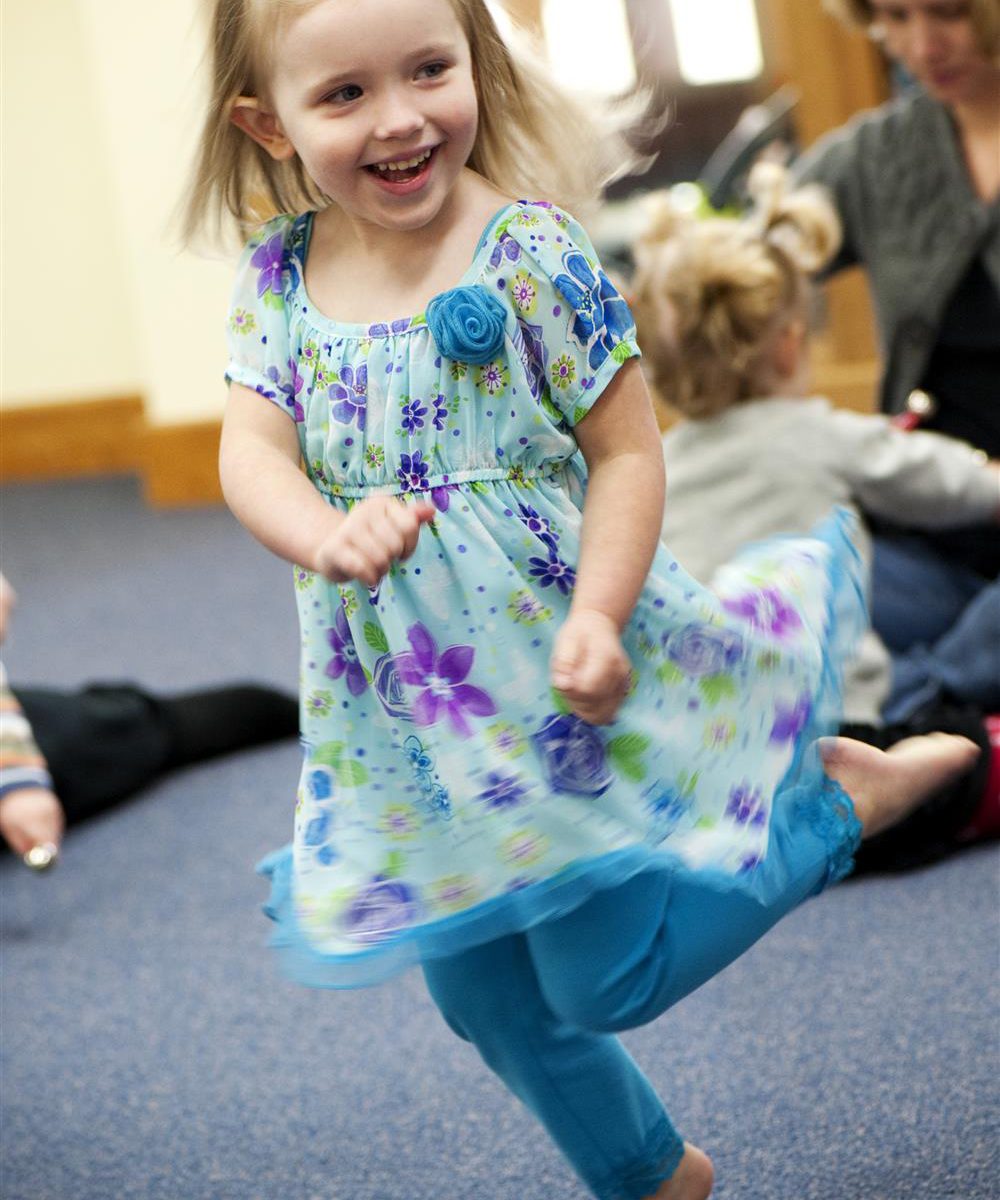
Kids have boundless energy! That statement is no surprise if you’re a parent, caregiver, or teacher to a child. There are times that you may look at the children under your care and think, “they may not need a nap, but I do!” or, “how do they just keep going?” Well, movement: touching, rolling, skipping, jumping, wiggling…it’s just part of how a child explores her world. It’s also how their brain/body develops “must have” connections to grow up in a healthy way. Movement is key! But, traditional sports or dance classes are not the only way to keep children moving. Don’t get me wrong, organized athletics and dance programs have an important impact in the world, but there are also other ways to keep your little ones on the move and having fun![/vc_column_text][blockquote cite=”Ralph Waldo Emerson”]It is a happy talent to know how to play.[/blockquote][vc_column_text]Music and movement have a natural connection. Think about it, when you sing to an infant, you rock them. Squirmy toddler? You’ll probably bounce that little guy on your knee as you recite a traditional rhyme to him. Is your kindergartner having a birthday party? Then, you might organize a round of musical chairs. All of these examples have a music-movement connection. But, they just scratch the surface. There are hundreds of “old” movement games that children still love to play, plus, new ideas on how children can explore movement, and often, music at the same time.
Not sure where to start? There are many websites and online libraries that are treasure troves for kid-friendly and parent/teacher approved, movement rich activities. I used to use them with my own child. (He’s twelve now!) I use them for planning activities at summer camps, and school lessons with many age levels, pre-school through high school. Try out the two online resources below. Take a look. Explore and see how much fun you and your children can have![/vc_column_text][/vc_column][/vc_row][vc_row][vc_column][vc_column_text]
Music and Movement Resources
- GoNoodle.com: What a fun website! Sign up for free, create a monster, click on an activity, and let the fun begin. Whether it’s yoga with Maximo, Zumba for Kids, silly movement with Koo Koo Kachoo, or one of the many other choices. Kids are engaged, challenged, and most likely giggling!
- Kodaly.hnu.edu: This is an online library for folk songs, inspired by the Kodaly philosophy of music education. While I have many, MANY song sources for my classroom, this is my go-to resource when I’m in a pinch. Click on “search the collection” to look for song material that meets your needs. Looking for a movement activity? Scroll all the way to the bottom to the “game type” drop-down box. Choose a genre and you’ll get many songs with the game or dance directions written out for you. Some songs even have field recordings that you can listen to.
[/vc_column_text][/vc_column][/vc_row][vc_row][vc_column][blockquote cite=”Zoltán Kodály”]Singing connected with movements and action is a much more ancient, and, at the same time, more complex phenomenon than is a simple song.[/blockquote][/vc_column][/vc_row][vc_row][vc_column][vc_column_text]Want even more ideas? Looking to integrate movement into a group setting with children? There are many books with music and movement ideas together. Some of my favorites are:
- “150 American Folk Songs to Sing, Read and Play” by P. Erdei and K. Komlos
- “Sail Away: 155 American Folk Songs to Sing, Read and Play” by E. Locke
- “Let’s Slice the Ice: A Collection of Black Children’s Ring Games and Chants” by E. Fulton and P. Smith
- “The Ella Jenkins Song Book for Children” by E. Jenkins and P. Lipschultz
- “120 Singing Games and Dances for Elementary Schools” by L. Choksy and D. Brummitt
- “Teaching Movement and Dance” by P. Weikart
- “Creative Dance for All Ages” by A. Greene Gilbert
Music and movement are a natural fit at home and in school. Those wiggly kids will sing, play, move, and laugh their way through great games and dances both old and new!

Mrs. Sempsey is an active clinician and workshop presenter in south-central Pennsylvania covering topics including classroom management, choral reading sessions, technology in the music classroom, movement and music curricular connections, Kodaly philosophy, curriculum development, and lesson planning, and Orff-Schulwerk philosophy, curriculum development, and lesson planning.
Mrs. Sempsey has taught kindergarten through sixth grade general music, elementary choruses, as well as elementary and middle school strings in Lower Dauphin and Conestoga Valley School Districts, as well as been the Artistic Director and Prelude Choir Director for the Children’s Choir of Lancaster from 2005-2012. Currently, Mrs. Sempsey teaches kindergarten through sixth grade general music, choruses, and Orff & Drum Ensembles in Columbia Borough School District. She is also the K-12 Art & Music Curriculum Coordinator.[/vc_column_text][/vc_column][/vc_row]



 You thought about how many kids you wanted based on the size of your dream band.
 you hum in the car or sing in the shower? Well – guess what? YOU are a musician! Just because you aren’t doing it for a living doesn’t mean you can consider yourself a musician. Think about it: Chorus America states there are about 42.6 million people singing approximately 270,000 choirs in the US. That is a lot of people. You could be one of them! If you can walk you can dance; if you can talk you can sing!
 Consider this story – a group of kindergarteners were asked, “Who here can sing?” They ALL put their hands up. “I can sing!”…”Me, too! I’m really good!” That same group, three years later – asked the same question. About 20% fewer kids said they could sing. The same group three years later? Another 20% decide they can’t sing. By the time that group is in high school? Less than 15% might say they sing well. Why? Well – most of the time, it’s lack of encouragement. Get them involved early and encourage artist exploration! Now is the time!
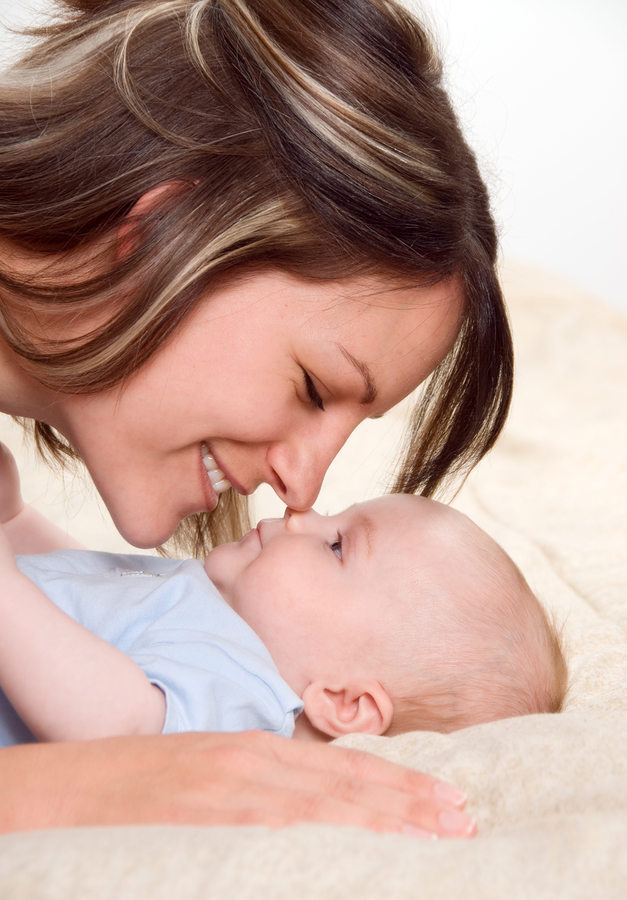
 We like to tell parents that they are their child’s first and best teacher because it’s true! Sure, parents may not always know all the answers—like that initial night home from the hospital (now what?!) or when a baby experiences a growth spurt and wakes up every two hours (why?!).
 2. Steady beat gives children the ability to walk effortlessly, speak expressively, read fluidly, and even ultimately regulate repeated motions such as riding a bicycle or brushing teeth. While young infants are learning how to control their movements, lap bounces allow them to feel a steady beat with their whole bodies. Older babies benefit from lap bounces as they work to keep their bodies upright while in motion, strengthening the core muscles.
 6. Dancing and moving to music supports cross-lateral movement, spatial awareness, eye-hand coordination, and eye tracking—foundational skills for reading.

 “Kindermusik started out as a way for our family to bond and a place for my daughters to express themselves long before they had words to communicate. Now it is a place for us to be silly, meet new families, and make lots of music together. We love Kindermusik!” ~Kindermusik Parent, Emily R
 4. Participating in musical activities supports cognitive development in children, including language and literacy, spatial-temporal reasoning, and mathematical abilities.
 8. Music is the one language in the world every single person speaks. We see this the world over. Bring in a basket of instruments to children in Ohio, South Africa, Italy, Australia, The Philippines, Mexico—and everywhere in between—and they will shake, scrape, tap, beat, and create beautiful music. No translation needed.
 Want to take your children around the world? It’s easy with music! No passport required. No suitcases to pack. Just three simple things you can enjoy almost any time, any where, and you’re off of a grand, musical travel adventure!
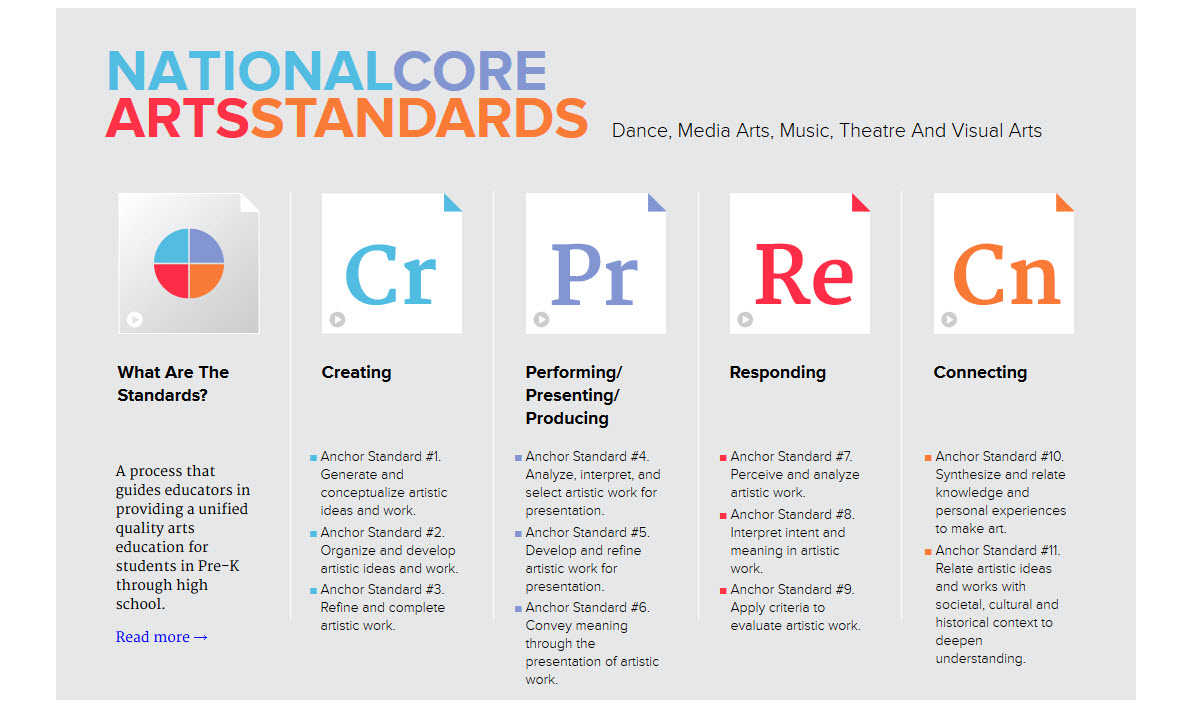


 Creating music is what we do in each class. We provide enough instruments for each child in the class to participate and make their own music. Through a variety of age-appropriate and kid-safe instruments, like egg shakers, jingle bells, chime balls, sand blocks, rhythm sticks, and many more, we allow children to be creative and come up with their own way of playing the instrument. We guide them with ideas, and allow kids to express themselves through music.
 Performing, presenting or producing music is also integrated into our classes. Although Kindermusik curriculum is based on process not performance, we do encourage children to present their ideas to class. For example, a teacher may ask, “Johnny, how do you want play your rhythm sticks; fast, slow, loud, or soft?” This allows each child to determine their own preferences and encourages them to play music to a group of their peers, boosting self-esteem and confidence.
