
Kindermusik Top Program: Kindermusik by Baumhaus

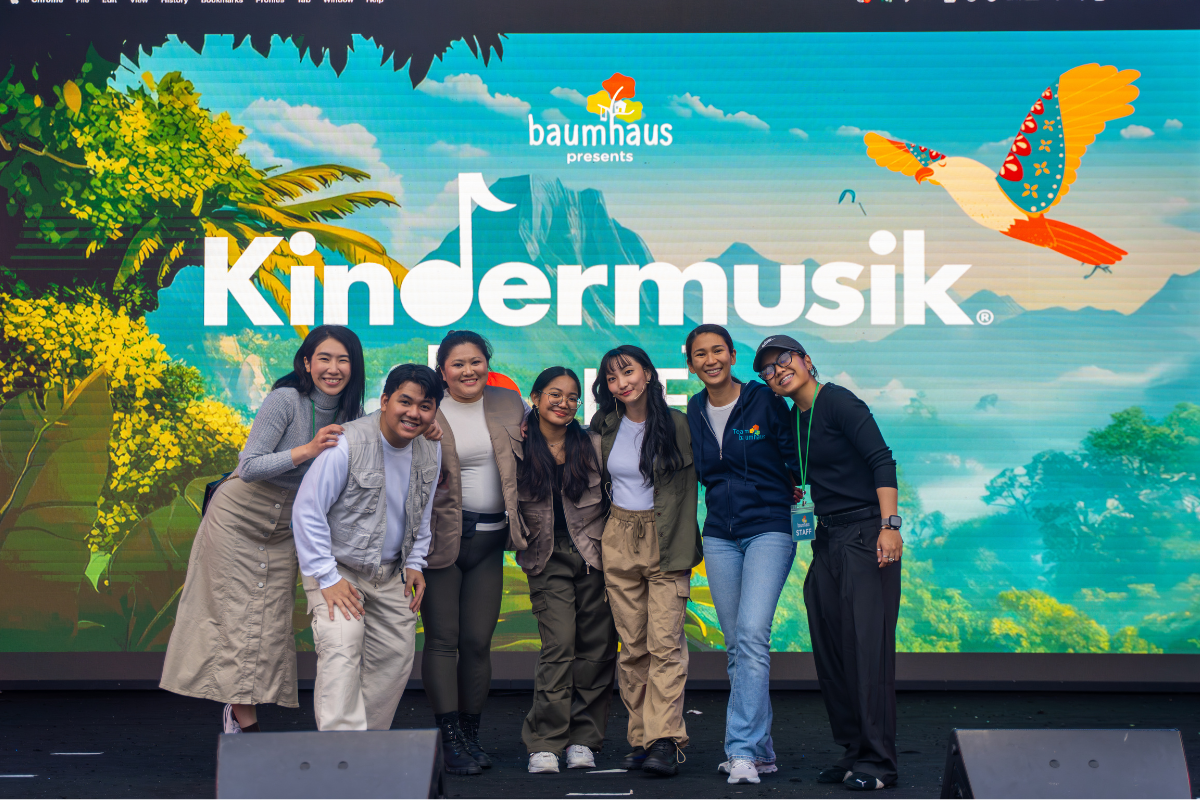
Teachers from the Hong Kong child music program Baumhaus pose for a picture at a community event.

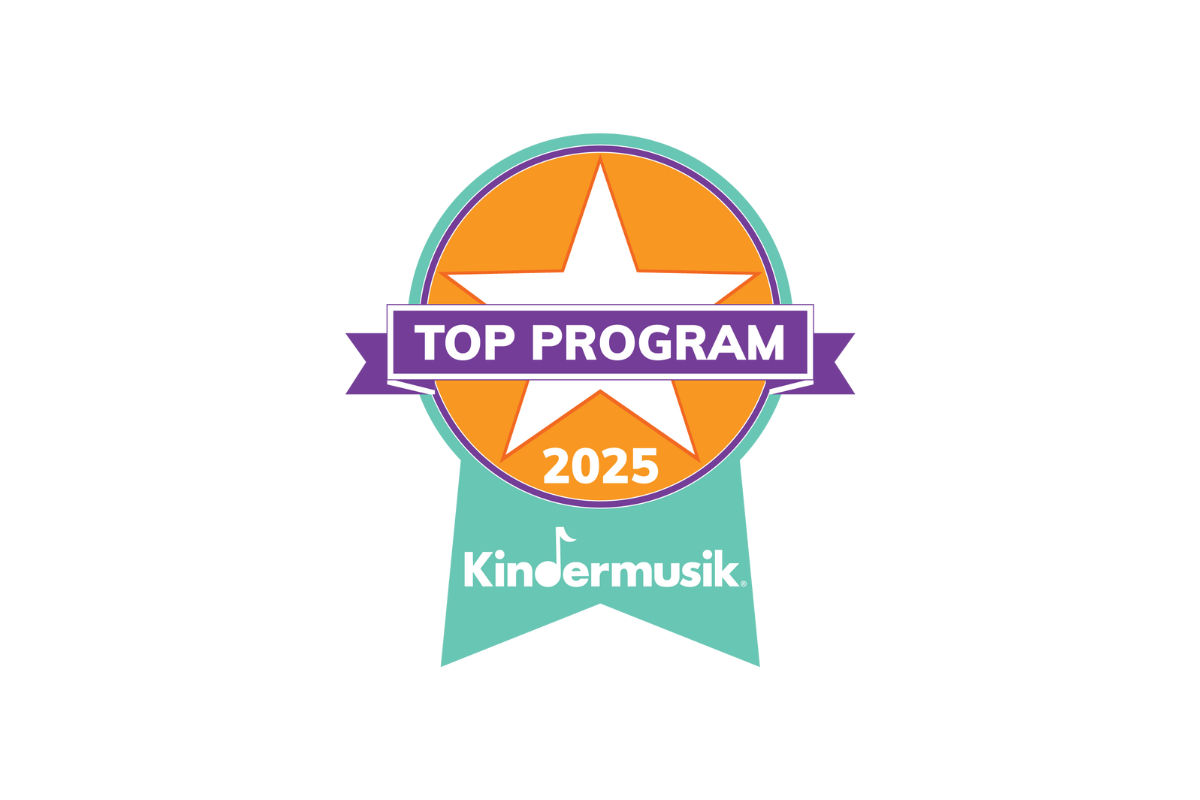
Have you ever searched for a Kindermusik class and wondered what that circular “Top Program” icon really means? Each year, we award Kindermusik Top Program status to studios across the globe with the highest registrations and other factors that contribute to their offerings being the best early childhood music and movement programs around.

Through genuine community connections, an investment in their team’s training, and meeting families where they are, Crisel Consunji and her team at Kindermusik by Baumhaus had the second highest number of registered families in 2025 for Kindermusik classes in the world.

Meet Crisel and take a look at this amazing Kindermusik Top Program from Hong Kong!

7 Questions with a Kindermusik Top Program

Crisel, how many years have you been accredited?

I became licensed in 2009. I have been teaching Kindermusik since 2012, and teaching my own program since 2014.

Tell us a little bit about your teaching journey. Why Kindermusik and what has growth been like since you started your own program?

I grew up as a professional child musical theatre performer, so I know first-hand how it feels to grow up in the Arts—the benefits, the challenges, and the need to adapt our processes to the psychology of the child. I noticed that many teachers were great with older children, but to reach the youngest learners, more pedagogy in the early years needed to be applied. So, I trained in a Kindermusik program to understand how to meet the needs of young children, and pursued a master’s degree in Early Childhood Education to understand behavior management and psychology. Blending the strengths of both artistry and pedagogy has been instrumental in shaping the way my team at Baumhaus approaches teaching Kindermusik.

When I started my own program in 2014, I was the only educator. I added two other educators in 2015—our team slowly grew, and so did our ranking. By 2018, we were in the top 10, and by 2025 we were first in Asia and 2nd in the world. While it’s nice to have a high ranking, what I’m most proud of is how we consistently grew. It’s a mark of our commitment and our effort to keep doing what we love, and promoting what we believe in. 
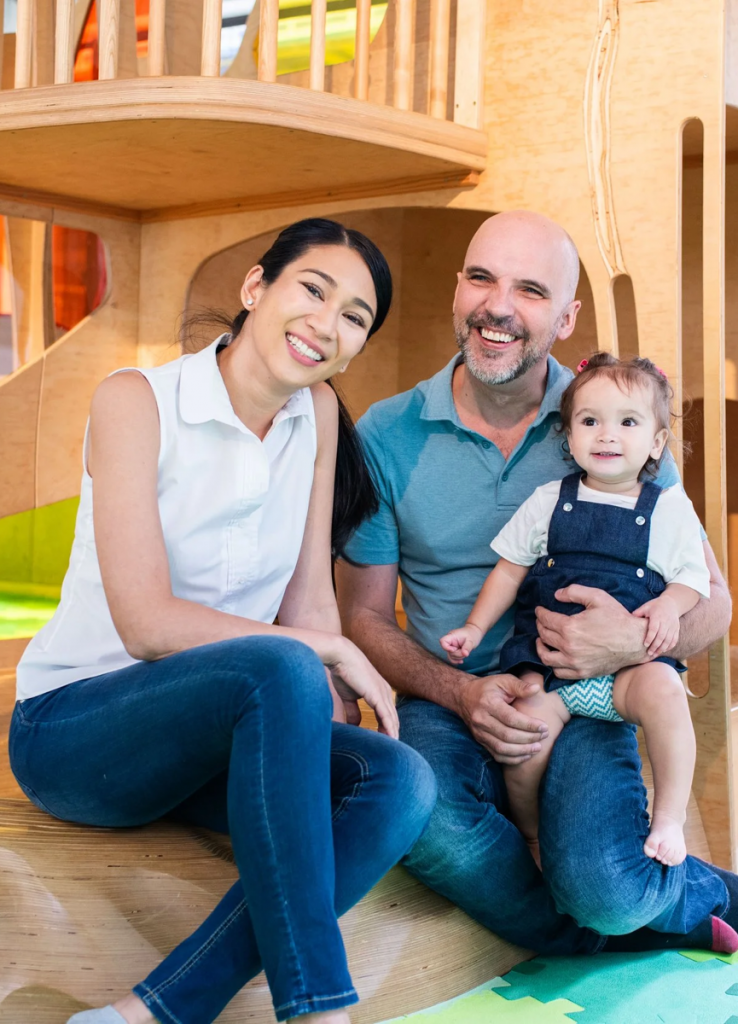
Hong Kong Child Music Program owner Crisel Consunji and her family
Baumhaus owner Crisel Consunji and her family.

What do you think are the key factors behind families choosing your classes and coming back year after year?

I believe the success of our program is based on two very important areas—a consistently good product, and strong connection with the community.

Building a consistently good product means making sure that we keep learning and enhancing what we do from an educational standpoint. Parents get savvier and more knowledgeable about early childhood development, and so we must also be well-versed with educational methodologies and progressive ways of teaching and learning. Over the years, we’ve studied different schools of thought, figuring out how to deepen what we know by borrowing concepts from infant, toddler and parenting philosophies, from therapists and special education practitioners, etc.

Parents get savvier and more knowledgeable about early childhood development, and so we must also be well-versed with educational methodologies and progressive ways of teaching and learning.

– Crisel Consunji

Secondly, we attribute our success to making genuine connections in the community. We invest a lot of time and effort into community events, meet-ups, and workshops for families. Our teachers also take a lot of time to reach out and chat with families and support them in their parenting journey—beyond simply explaining music activities.

How do you invest in your teachers and what kind of professional standards do you require?
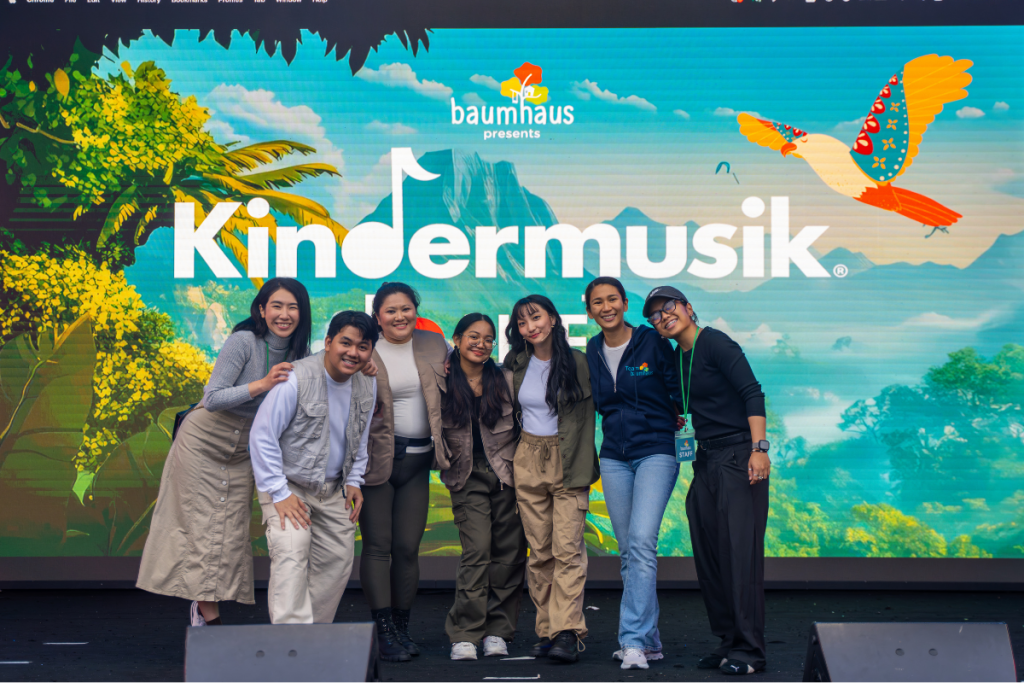
Teachers from the Hong Kong child music program Baumhaus pose for a picture at a community event.
Crisel and her Baumhaus team at a community event.

Building consistent quality means that we invest a lot of time ensuring that all our teachers are trained to a high standard. Most of our teacher trainees spend at least three to six months co-teaching with an established teacher. This ensures that knowledge and culture transfer among our team is consistent and even. 

Tell us a little bit about your community. What have you learned from them and what about them drives you to create a safe, creative, and supportive space?

What we’ve learned from families is that all parents in our community want the best for their children. Parents are also under immense pressure and stress, and one of the things that keep us going is that we make parents proud of themselves by affirming who they are and what they do for their children. In turn, happy parents have more freedom to raise balanced children. It’s a win for all.

What continues to drive you as a Kindermusik Educator?

What drives me as an educator is seeing how many families are transformed through Kindermusik—children who discover their talents and potentials, and parents who discover how truly joyful it is to celebrate your child for who they are. 

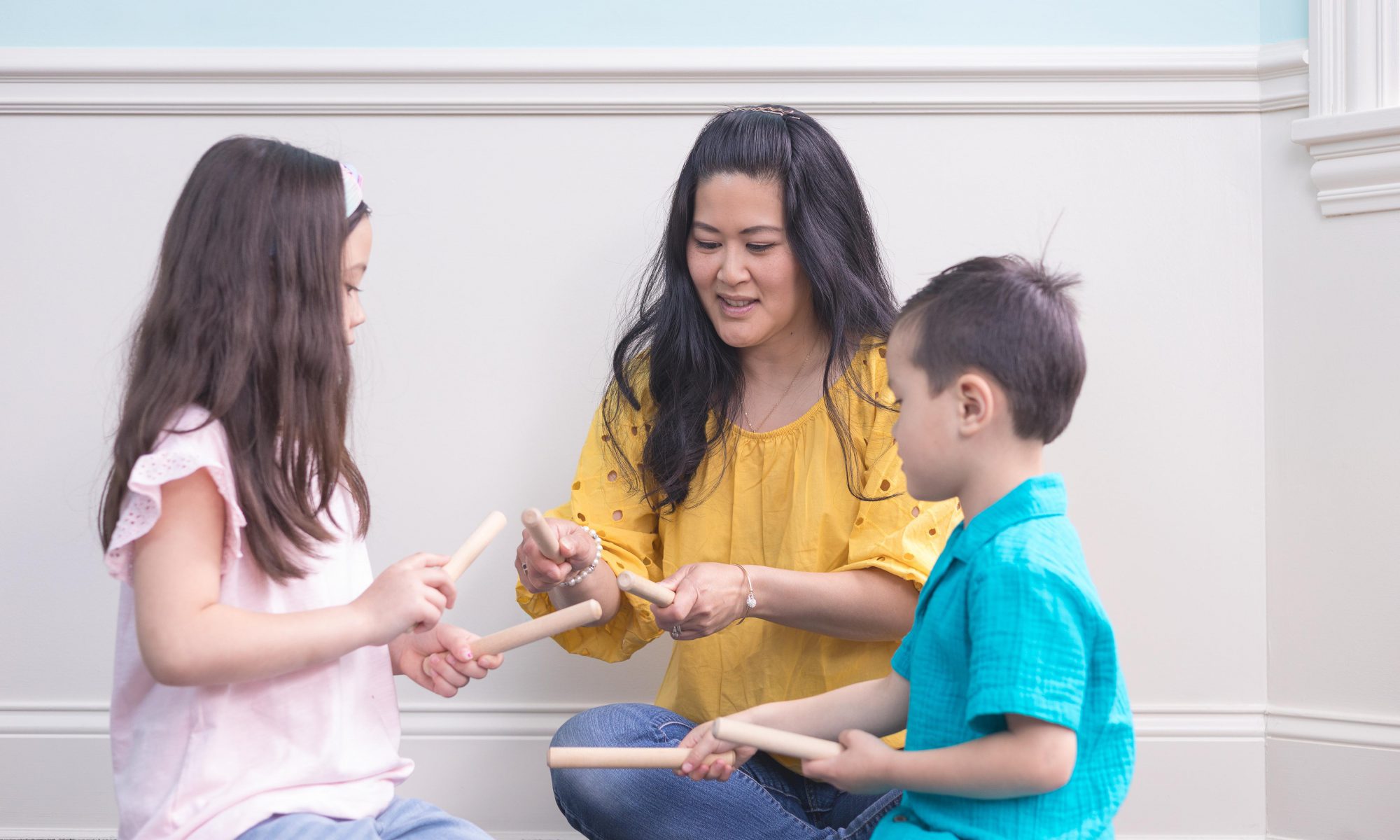
Young toddlers at Hong Kong Child music program Baumhaus explore instruments during class.
Young toddlers explore instruments during a Kindermusik class at Baumhaus.

What drives me as an educator is seeing how many families are transformed through Kindermusik—children who discover their talents and potentials, and parents who discover how truly joyful it is to celebrate your child for who they are. 

– Crisel Consunji

What vision do you have for your studio in the years to come? This could be anything from hiring a new educator/offering a new class to opening a new storefront to partnering with a philanthropic organization.

I want our studio to continue to be a training ground for teachers who transform the landscape of early years education through creativity and music. I would like to be able to do more research and programs that can be rolled out across more communities. In the end, if we are able to make our program more accessible to families who need it most, our work is truly complete.

Find out more about Top Program studios like Kindermusik by Baumhaus, and locate one near you. If you’re interested in becoming an Accredited Educator like Crisel, check out our training options. Connect with Crisel and Baumhaus on Instagram and Facebook

Why Clapping Is the Unsung Hero of Early Development + Activity Ideas

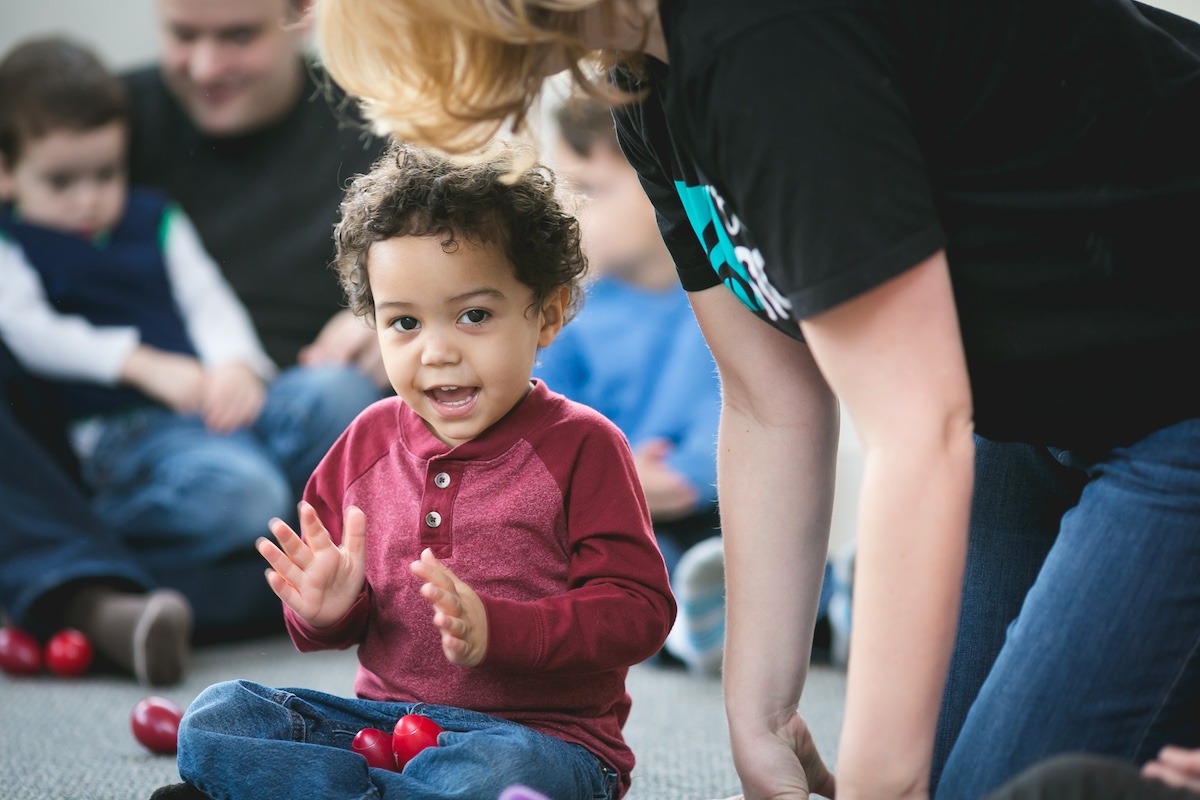
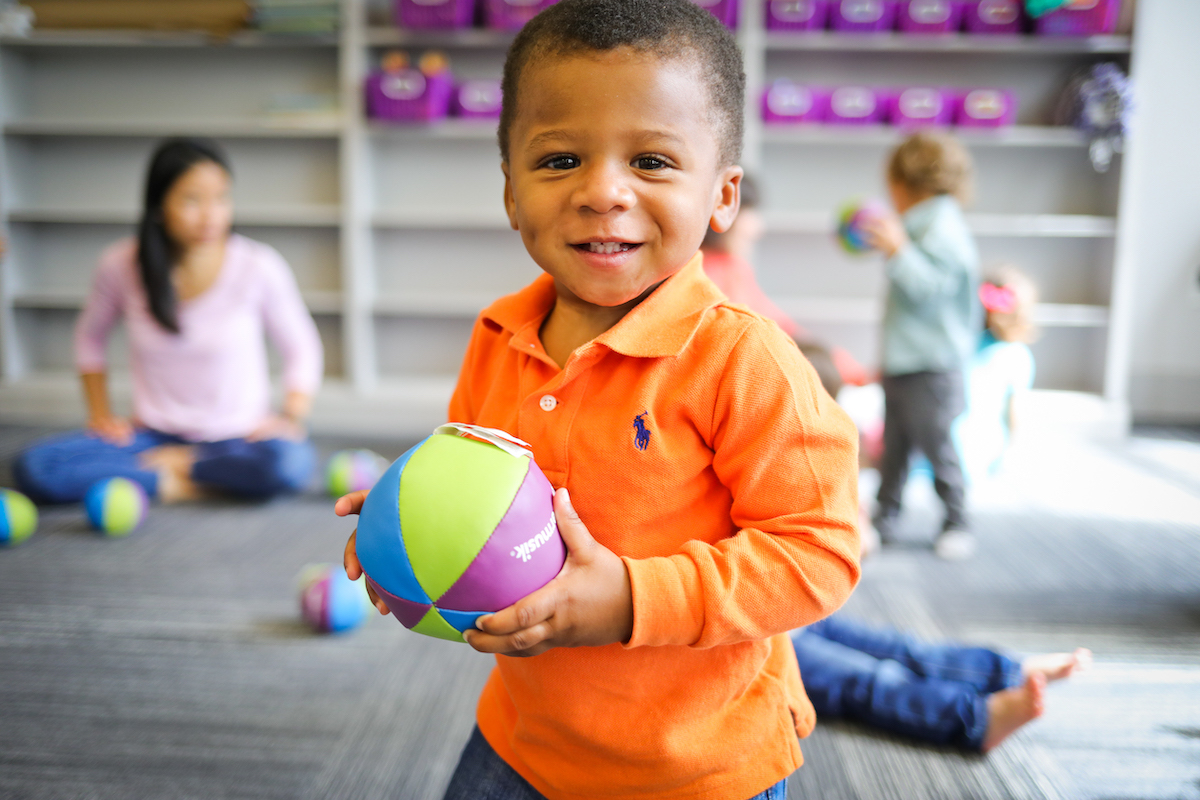
A 3-year-old boy claps to the beat during a Kindermusik class. Clapping is a foundational tool for early development.

Clapping is generally perceived as a tool for keeping time with the music or showing appreciation as applause. However, the biological and neurological effects of this simple motor activity reach far beyond songs and ovations, enhancing self-regulation, reading skills, handwriting proficiency, and speech processing.

Take a look at what’s happening in our brains and bodies when we clap, why it is so intrinsically connected to early childhood development, and initial steps you can take to help children harness the power of their hands.

Continue reading “Why Clapping Is the Unsung Hero of Early Development + Activity Ideas”

Kindermusik Top Program: My Little Conservatory

Kindermusik Top Program 2025

Have you ever searched for a Kindermusik class and wondered what that circular “Top Program” icon really means? Each year, we award Kindermusik Top Program status to studios across the globe with the highest registrations and other factors that contribute to their offerings being the best early childhood music and movement programs around.

This year, the very TOP of the Top Programs is My Little Conservatory in San Jose, California. Owned by Accredited Kindermusik Educator, Amelia Vitarelli, My Little Conservatory’s recipe to an award-winning program is a mix of listening to families’ needs first, requiring the highest standards from teachers and team members, and ensuring that a heart for and belief in early childhood music education is at the center of every class.

Continue reading “Kindermusik Top Program: My Little Conservatory”

NEW Dad Album + Activity!

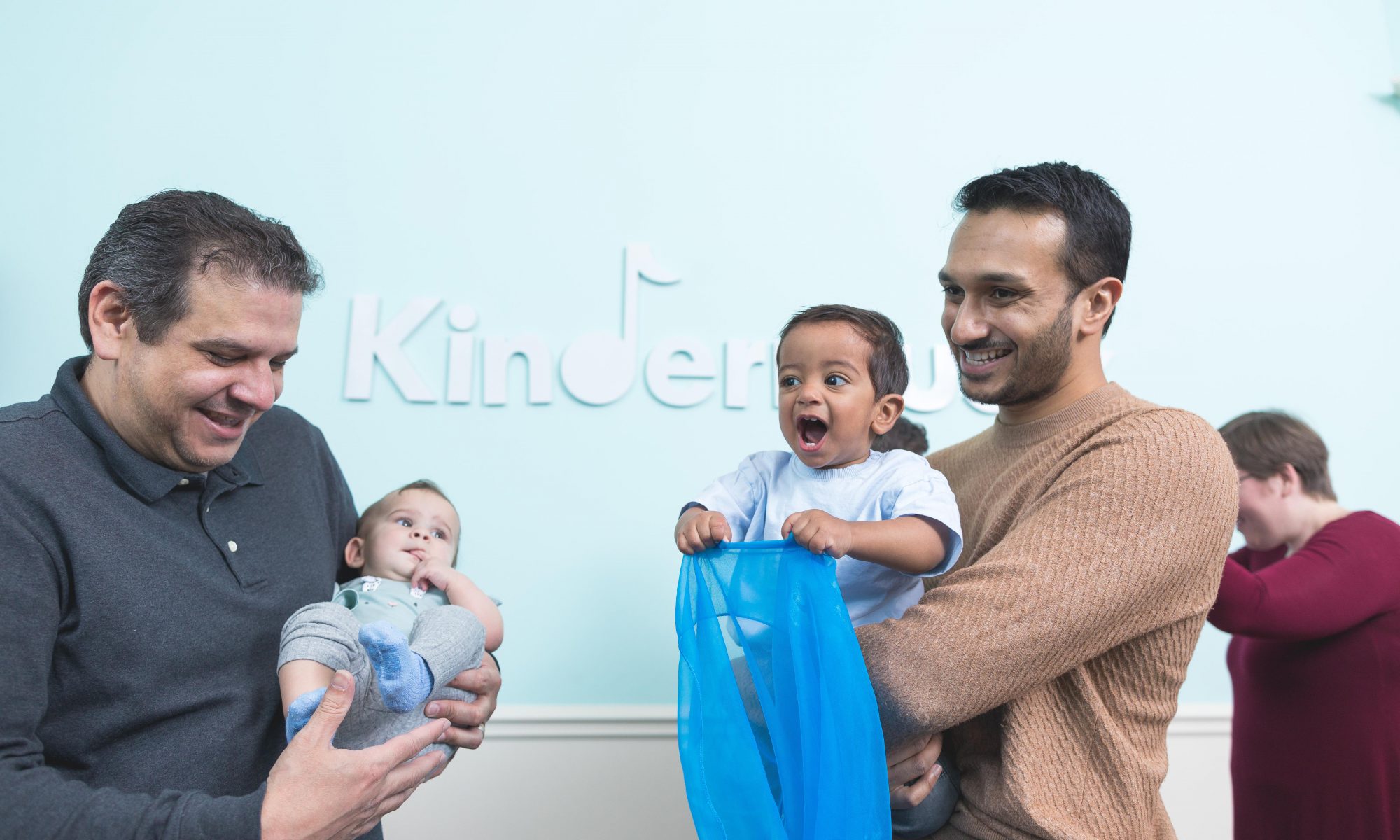
Dads hold their toddler and baby boys during a Kindermusik class and dance to the dad album

Dads, like-a-dads, uncles, grandfathers…the male caregiver role is hugely important to early nurturing and positive whole-child development.

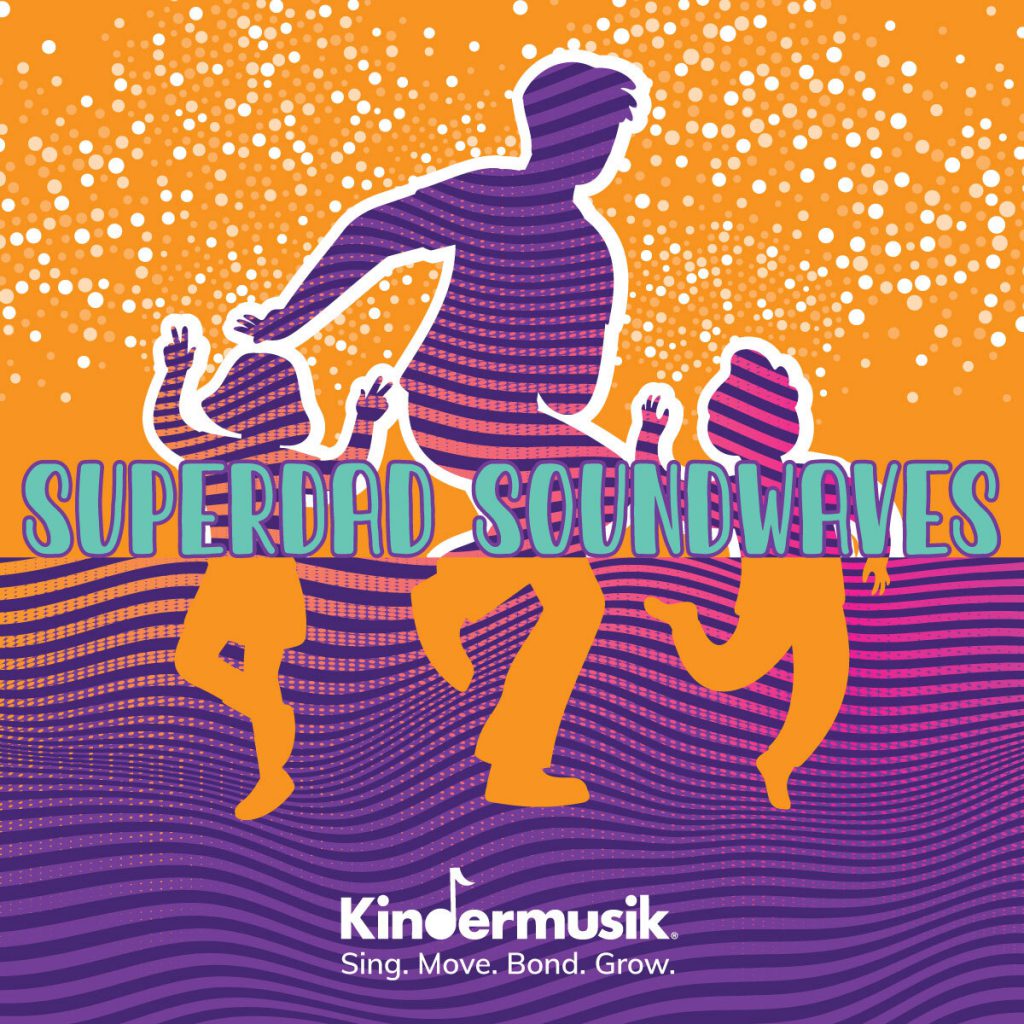
To amplify their presence and put it to the tune of fun, we created Superdad Soundwaves, on the free Kindermusik app. And we’ve got an activity you can pair with it below!

Superdad Soundwaves is the new dad album from Kindermusik

What the research says…

Studies show that fatherhood involvement in the early years makes a big difference.

Researchers from Imperial College London, King’s College London and Oxford University found that “babies whose fathers were more engaged and active when playing with them in their initial months performed better in cognitive tests at two years of age.”

And a study conducted by the University of Leeds showed that fathers who regularly and intentionally engaged their three-year-olds by reading, drawing, singing, and playing “helped their children do better at school by age five.”

Empowering dads with the tools they need to keep that engagement going is where musical play can really help. It’s a multisensory activity that’s portable, screen-free, and fun!

Try our Dad Album activity…

  • Stream “Love Somebody” from the Superdad Soundwaves album in the free Kindermusik app or play it below.
  • Follow the movement directions—dancing high/low, bouncing, clapping, etc.
  • Each time you hear “you, you, you,” give your child a big hug or point to them. 

The benefits…

This activity is full of cognitive, social-emotional, and motor benefits, but we love that:

  • Matching movements to lyrics promotes understanding and language acquisition. 
  • Synchronizing movements synchronizes your heartbeats and bodies, promoting connection. 

Keep that family engagement going…

Intentional time is the best time. Make it part of your daily routines, and growth and connection will skyrocket.

Whether you’re looking for more no-cost resources like this one, a grownup-and-me class near you, or home visiting or teaching tools, we’ve got a solution for that.

How Musical Play Boosts Youth Sports Performance

What does early musical play have to do with youth sports? If you’re thinking of signing your toddler or preschooler up for t-ball, soccer, gymnastics, etc., take a look at these links between athletic ability and intentional music and movement. You may be surprised at how much it can help little ones gain confidence early in their sports journeys, and how much longer it might help them stick with it.

Continue reading “How Musical Play Boosts Youth Sports Performance”

How Music Affects the Science of Reading

A mother taps out a beat to a song in Kindermusik class. Practicing steady beat is one way to support the science of reading.

The Science of Reading is kind of a buzzword these days in the early education and parenting worlds, but what does it really mean and what role does music play?

In a nutshell, the Science of Reading is a catch-all term for the massive amounts of research that look at how our brains learn to read through decoding, phonemic awareness, and more. It doesn’t just happen, it’s science, and educators around the world are tapping into its framework.

What might be missing from traditional classrooms and at-home efforts? Music!

Continue reading “How Music Affects the Science of Reading”

How Pre- and Postnatal Singing Support Secure Attachment

Mom sings to baby in a Kindermusik class to promote secure attachment.

The bond between caregiver and infant is one of the most critical factors in positive whole-child development, and the keyword is secure attachment. 

Secure attachment doesn’t mean constant baby-wearing or helicopter parenting—it does mean a consistent series of positive and nurturing interactions between caregivers and infants that form the foundation for healthy social-emotional and cognitive growth. 

So, how do you know if you’re making these connections happen? Singing can help.

Continue reading “How Pre- and Postnatal Singing Support Secure Attachment”

3 Musical Ways to Support Neurodivergent Learners

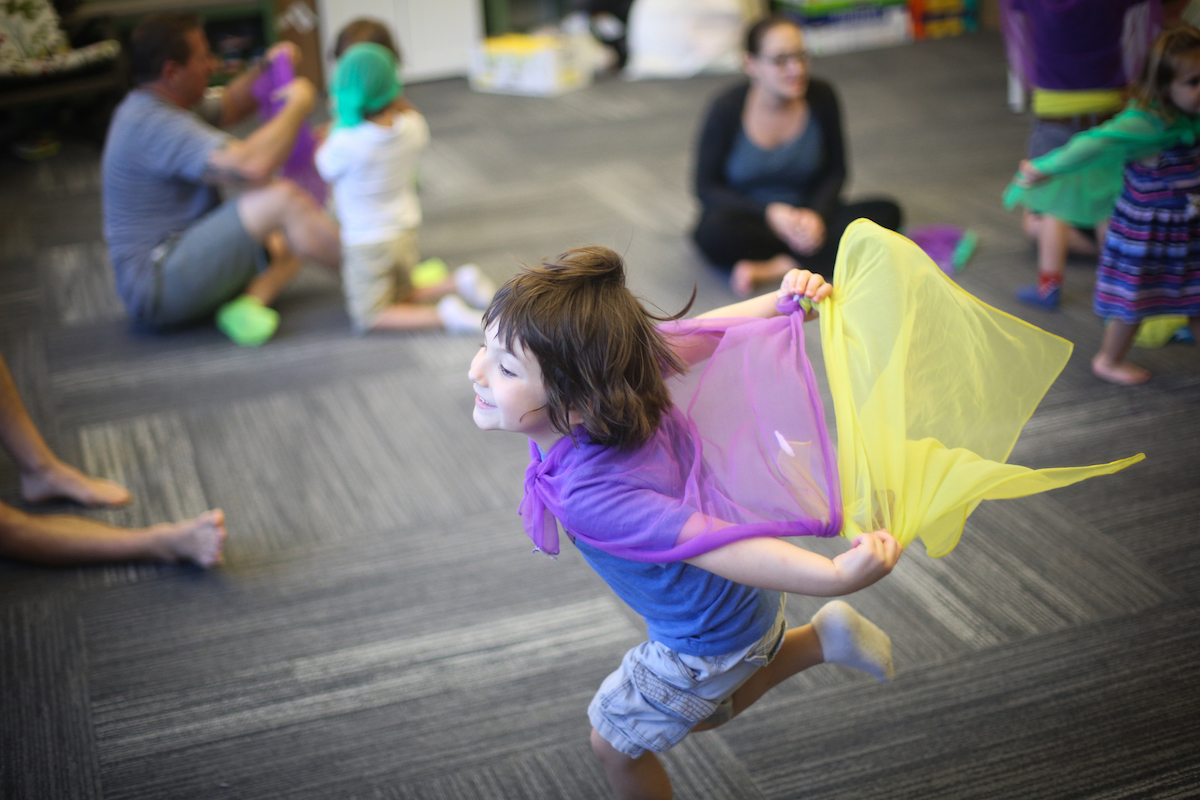
Child dances to music with scarves. Interpretive dance is an ideal multisensory outlet for neurodivergent learners.

It may seem counterintuitive, but neurodivergent learners thrive with the right multi-sensory activities. Music—a multi-sensory activity that stimulates all parts of the brain at once—promotes everything from self-regulation to emotional expression.

And that turns tricky transitions and long days into beautiful learning moments (for children and their special grownups).

Continue reading “3 Musical Ways to Support Neurodivergent Learners”