
Kindermusik in the Military Community

For military families, consistent, accessible shared musical play classes are often missing, but they’re such a vital part of early whole-child development, bonding, and social-emotional health. Kindermusik is proud to have experienced educators supporting these families on and around military bases and communities world-wide.

And we’d like to expand that. 

Why is music important for military families?

Sometimes it’s hard to stay connected, find community, and build positive learning memories when the stress of deployment, frequent moves, and grief are prevalent.

Research shows that shared music making can play a significant role in instilling calm, strengthening parent/child bonding, supporting fine and gross motor development, and promoting overall social-emotional health (that includes grownups)! 

Pairing music with movement really takes multi-sensory learning to the next level.

Recently, scientists found synchronized dancing (including things like hopping to the beat or circle dances) supports critical developmental skills like cooperation, turn-taking, and empathy

And when it comes to school readiness, a study showed that preschoolers who received just 30 minutes a week of Kindermusik demonstrated 32% greater gains in language and literacy skills.

So, what if there were more early music education professionals who understood firsthand the challenges of military-connected families and could facilitate these positive experiences?

That’s where the Kindermusik Military Spouse Scholarship comes in…

The Kindermusik Military Spouse Scholarship

We know that many military spouses are passionate about early education, specifically music education, and would like to purse that professional path further.

The problem? A flexible training model. 

Kindermusik’s a cappella studio curricula educator courses are on-demand so you can complete high-level pedagogy and teacher training at your own pace. And it’s by age level (spanning from birth through developmental age 7), so that it’s easier to digest and add to depending on your professional goals.

Once you complete a course, you have the option to apply for Accreditation, a mastery level teaching module and exam which, upon passing, allows you to teach Kindermusik’s studio classes anywhere in the world, in person or online. 

We are proud to announce that the Kindermusik Scholarship Program has created the Kindermusik Military Spouse Scholarship to provide:

If you are interested in pursuing or enhancing a profession in early music education, or know someone who would be an amazing Kindermusik Educator, we encourage you to find out more and apply

Find the joy of music wherever you are.

There are Accredited Kindermusik Educators all around the globe offering music and movement classes in person and virtually. Search for one that works with your location or schedule! 

  •  

Save the date! Reggio Children and the innovative approach to early childhood – and bilingual – education

Kindermusik International is pleased to announce two December workshops in Brescia and Reggio Emilia, Italy celebrating the child-centered, parent-inclusive approach to education known as the Reggio Children Approach.

These special workshops were made possible between a special liaison between Kindermusik International’s Angelica Manca and Reggio Children. The organization focuses on research, study, and development to bring high quality, affordable early childhood programs to families around the world.

The Little England Arts Academy is a bilingual arts academy.

Saturday December 1, 2012 in Brescia, Italy

Come visit Niki Scavolo’s gorgeous Bilingual school “Little England” located in the North of Italy (Brescia, Italy). Niki has been a Kindermusik educator since 2009, training more than 10 of her educators and has successfully used Kindermusik to increase student enrollments at her school, both as an afterschool program as well as part of her core curricula. Niki will be walking us through the pedagogy she follows, the alignment with other approaches, such as Reggio Children, and her beautiful facilities! Plus get some Kindermusik training on our new digital material!

Featured speaker Claudia Giudici is President of Preschools and Infant toddler centres of Reggio Emilia and Member Board of Directors Reggio Children.

Monday December 3, 2012 in Reggio Emilia

Become a part of the future by learning more and collaborating on one of the world’s most innovative approaches to Early Childhood Education with Reggio Children! We will be having a tailor-made professional development training day at the Loris Malaguzzi Reggio Children Center in Reggio Emilia (Italy), guided by the lead Reggio Children Pedagogist Claudia Giudici.

Together we will be exploring concepts of “Atelier,” “The Hundred Languages of Children,” and how to use music to foster learning.

To learn more about the Reggio Children Approach, please click here for more information.
Want to know more? Email Angelica Manca at amanca@kindermusik.com

FOL Fridays: Go Ahead and Laugh

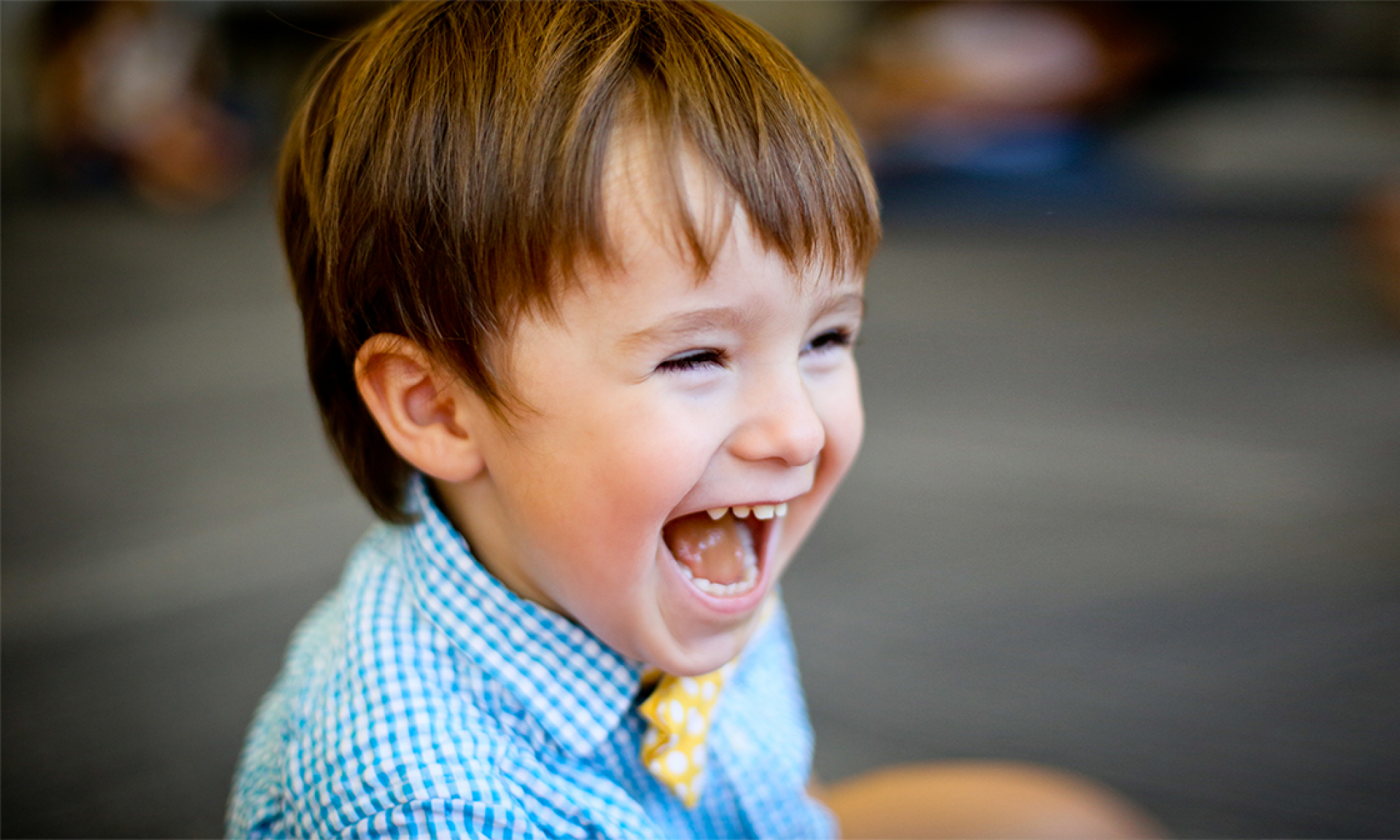
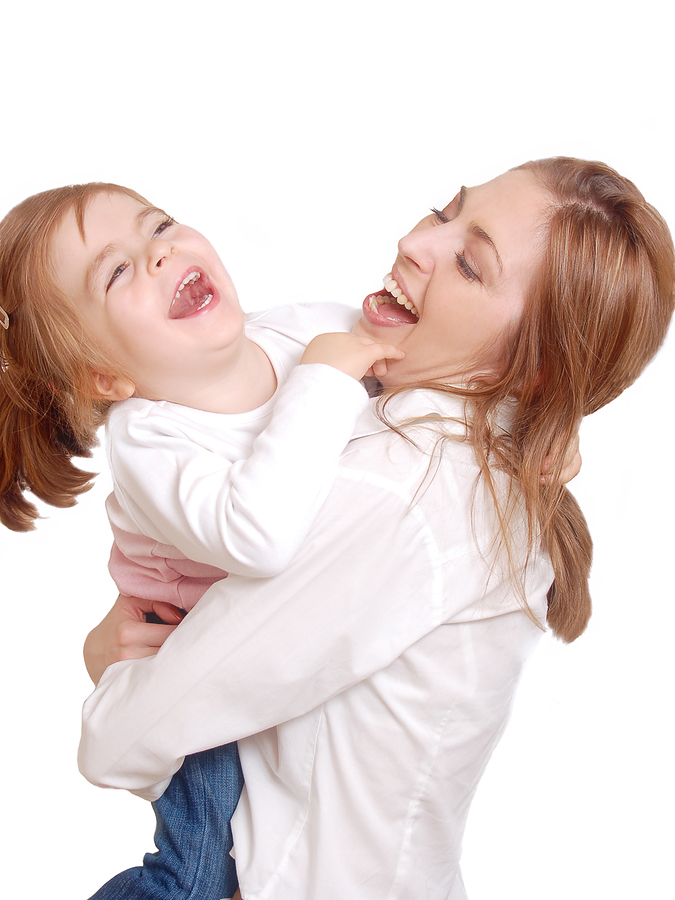
Laugh… for your health! Laughter helps strengthen the immune system, lower blood pressure, and reduce stress levels. In addition, humor helps young children handle problems or crisis situations, enhances social skills, and helps them create social bonds and healthy emotional attachments – so laugh away!

Tips for parents: Take a few minutes for some funny faces, silly songs, knock-knock jokes, or just acting silly. Laughing together not only has significant health benefits, it can also diffuse a tense situation and create some special bonds. Who knew a little giggle could go such a long way?!

– Contributed by Theresa Case, whose Greenville, SC program, Kindermusik at Piano Central Studios, is proudly among the top 1% of Kindermusik programs worldwide.

Kindermusik classes are filled with laughter and learning…

Try a Free Class Near You!

Everyday Environmentalists

Good morning KI Green, and happy Friday! Submit your sustainability efforts to the KI Star Steward Contest. If you’re holding back because you don’t think your efforts are worthy, you’re probably a better steward than you know. We found an awesome site, “The Everyday Environmentalist” that categorizes sustainable practices by work, play, health, and travel. There are dozens of fresh ideas— we’re sure you do some of them :-). Tell us which of these practices you champion by commenting here!

Here are a few of our favorite ideas. They’re our favorites because they target our biggest-impact habits and offer reasonable “why not” solutions.

  1. Buy “shade grown” or “Fair Trade Certified” coffee. Anyone who depends on a morning cup(s) of coffee deserves to drink the best stuff for them, and for the environment. Keeping the globe caffeinated is a huge agricultural undertaking: more than 5 billion pounds of pesticides are used annually for agricultural purposes across the globe. Further, coffee trees that are grown within tropical forests (not in place of them) provide habitats for over 150 species of migratory birds. These “shade grown” coffee trees benefit both the environment and the actual beans; shade grown beans ripen more slowly giving them fuller, richer flavor. If you can buy locally grown coffee beans, too, you’ll be especially sustainable. Find where you can by “Bird Friendly®" coffee here!
  2. Going paperless. Switching from mail bill pay to online is a serious sustainable feat. If only one in five households switched to electronic bills, statements and payments, the collective impact would save 151 million pounds of paper, avoid filling 8.6 million garbage bags and eliminate 2 million tons of greenhouse gas emissions, according to The Nature Conservancy. Plus, consolidating your bills online is easier to manage!
  3. Unplug your electronics. Keeping your electronics plugged in keeps a constant flow of electricity going to your circuits. Plus, it increases the risk of electrical fires and blown fuses. Try plugging in proximate electronics to a power strip, and make it an older child’s nightly chore to safely unplug strips every night before bed.

So there you have it, Star Stewards! Check out the Nature Conservancy’s other great ideashere.

Kindermusik Green - SustainabilityDon’t forget to submit your OWN ideas and efforts to win the Kindermusik Green Contest.

WIN 50 free Kindermusik songs & $100 donation to your favorite charity by sharing your family’s Green/Sustainability/Eco efforts by 12/07/12.

Submit your posts, pictures or videos to: Facebook.com/Kindermusik.

Thanksgiving song and activities: Over the River and Through the Woods

Do you remember this song?

Over the river and through the woods
To Grandmother’s house we go.
The horse knows the way to carry the sleigh
Through white and drifted snow.

It’s hard to say when this famous American poem became so synonymous with the Christmas holiday, but the tune truly belongs to Thanksgiving.

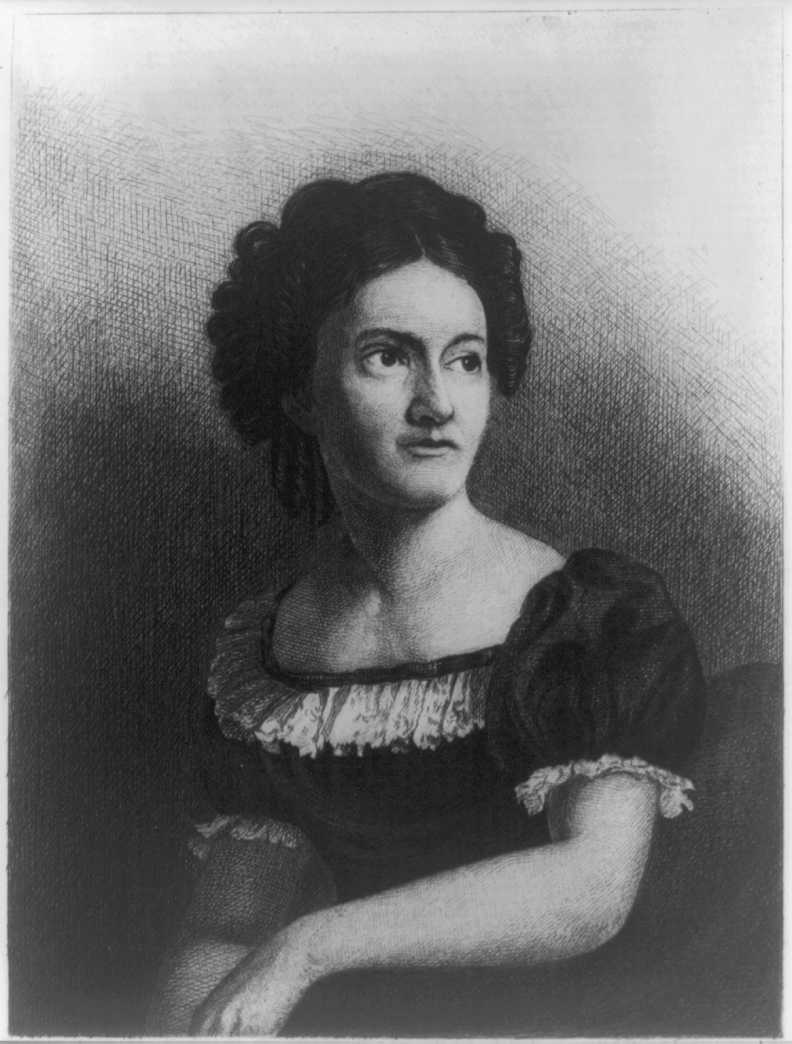
Written by journalist, poet, and human rights advocate Lydia Maria Child, the poem first appeared in Child’s Flowers for Children, Volume 2, in 1844.

It was originally titled “A Boy’s Thanksgiving Day,” and celebrates Child’s childhood memories of visiting her Grandfather’s house.

As an advocate for Native American rights, anti-slavery laws, and women’s voting rights, Child raised her voice on many issues flaring in the in the 1840s, but refused to raise a fist. Her writings urged people to find a peaceful, non-violent way to progress.

The song can be a great holiday tradition for your family, too. We’ve put together a few simple ways to adapt the song to your child’s learning ability.

Learn more about helping families create musical traditions together in online Kindermusik Educator training. Click here to receive FREE information on becoming a Kindermusik Educator.

Baby (newborn to 2)

Hold your baby close and bounce in rhythm to the music, or pat the steady beat of the song on her back as you sing the song. Studies show a baby prefers the sound of her mother’s voice, and the sound of your voice paired with rhythm of the words – as you gently rock baby, or pat her on the back – helps your baby begin to identify the patterns of language.

Toddler (2 to 3 years)

The “giddy-up” tempo of this song makes it a great lap bounce for toddlers. Exaggerate the movement words, and make the weather and animal sounds mentioned in the lyrics to help your toddler better connect the vocabulary word to the physical movement.

Preschool (3 to 5 years)

Sing the song together and ask your preschooler to draw a picture of the story, and act it out: Pretend to ride a sled, ride through the wind, and ring bells!

Big Kids (5 to 7)

Engage your big kid’s active imagination and write your own lyrics about your family’s Thanksgiving tradition. Use the “Over the River” melody with lyrics about your own journey to Grandma’s house. What do you see? What does the weather do? Do you go over a river? Write your own lyrics.

Click here to see the long and short form of the lyrics.

play.kindermusik.com

Play Kindermusik @Home

Talk with your family about the meaning of the Thanksgiving holiday. You’ll find several folk and Americana songs in this collection of Kindermusik songs, “America the Musical Vol. 1 and 2.” Lydia Maria Child would have loved the song, “Follow the Drinking Gourd,” a song used to help people find the Underground Railroad.

Alvin and the Chipmunks

The Andrews Sisters and Danny Kaye

The connection between timbre and phonemic awareness

Improve Listening Skills with Kindermusik

Improve Listening Skills with KindermusikIn response to a popular holiday song, “Do you hear what I hear?” the answer just might be: maybe. Hearing distinct differences in sounds takes practice. For example, back in August and September, early childhood teachers welcomed new students into the classroom. On that first day of school, the classroom full of children sounded like, well, a classroom full of children. By November, however, teachers learned to identify the distinct voices of each student. In music, we call distinct sounds timbre and it helps us distinguish the sound of a violin from a guitar; Jack’s voice from Aidan’s voice; and even aids in phonemic awareness by helping us hear the difference between the sound of a letter “v” and the sound of the letter “b.”

How people perceive timbre

Researchers from Johns Hopkins University recently created a computer model that mirrored how people make judgment calls regarding timbre. In the study, participants listened to two sounds played by different musical instruments and rated how similar the sounds appeared. The computer model recognized similar subtle differences in sounds that human participants did. For example, both acknowledged that the violin and cello appeared to be closer in sound to each other than a violin and flute and wind and percussive instruments were the most different.

“There is much to be learned from how the human brain processes complex information such as musical timbre and translating this knowledge into improved computer systems and hearing technologies,” researcher Moanya Elhilali said in the article, “Music in our ears: The Science of Timbre.

We look forward to the next phase of this research!

Connection between timbre, phonemes, and early literacy

In ABC Music & Me, our early literacy and language curriculum, children explore the concepts of timbre whenever they compare the differences between and among sounds. Each week in class, children may participate in active listening, singing, vocal play, and instrument exploration activities to teach them auditory discrimination. That same sound discrimination helps children hear the minute differences between letter sounds or phonemes, which supports early literacy and language development. Plus, researchers agree that music improves phonemic awareness in young children.

For more information about using ABC Music & Me to teach young children early literacy and language development, email us at info@abcmusicandme.com.

Bed Time? And do lullabies really work?

Bed time?!

“What are you doing? You’re supposed to be going to sleep.”

It’s late at night, and your baby needs to go to sleep. Everything’s been taken care of – clean diaper, quiet house, feeding, burping … so what’s with all that squirming? Maybe all that’s missing is a lullaby.

All research points to yes — lullabies are scientifically proven to lull babies to sleep, stimulate language and cognitive development, as well as strengthen the emotional bond between a parent and child.

This bond is communicated without words. Since your baby can’t yet understand words and language, a lullaby can communicate that everything in the house is taken care of, there is no danger, and so much love that a voice is literally lifted into song.

See (or sing) for yourself

Many thanks to Kindermusik parent, Janice Müller, who filmed this video of herself singing her baby to sleep with a lullaby in the Zulu language. Janice is enrolled in Brandy Butler’s Kindermusik class in Switzerland.

You can watch the video and hear Janice sing here: Click the Oct. 1 blog post.

Janice writes:

“If you want to hear the legendary Miriam Makeba do it justice: click here. The words and translation:”

Tula Baba | Traditional Zulu lullaby

Thula thul, thula baba, thula sana,
Tul’ubab ‘uzobuya ekuseni
Thula thul, thula baba, thula sana,
Tul’ubab ‘uzobuya ekuseni

Kukh’in khan-yezi, zi-holel’ u baba,
Zim-khan yi-sela indlel’e ziyak-haya,
Sobe sik hona xa bonke be-shoyo,
Be-thi bu-yela u-bu-ye le khaya,

Thula thula thula baba,
Thula thula thula sana,
Thula thula thula baba,
Thula thula thula san.

English Translation

Hush, little man, hush, child of mine
Daddy is coming in the morning
Hush, my child, hush, my son
Hush, Daddy is coming from the mountains

We will be here, as the saying goes
They were saying; come back home
We will be here, as the saying goes
I say come back, my child, come to your home

Hush, hush, my son
Hush, hush, my little man
Hush, hush, my child
Hush, hush, my little man

Keep quiet my child
Keep quiet my baby
Be quiet, daddy will be home by dawn

There’s a star that will lead him home
The star will brighten his way home

The hills and stones are still the same my love
My life has changed, yes my life has changed

We’re working to celebrate the diversity of languages around the world, as well as to preserve the lullabies from disappearing languages, and we’d love your help. Do you have a favorite lullaby in your mother tongue? Let us know, and check out “The Mother Tongue Lullaby Project,” a special effort from ABC English & Me.

National Parents as Teachers Conference

We partner with a lot of experts to create and support our standards-based early literacy curriculum, ABC Music & Me, including experienced early literacy educators, trainers, researchers and professional musicians and music producers who understand how music can unlock a child’s potential. However, we also recognize the pivotal role of parent involvement in early childhood education, which is why all of our programs, including our early literacy curriculum, include a child’s first and best teacher: the parent.

Parents as Teachers and early literacy

The organization, Parents as Teachers (PAT), shares our commitment to equip parents with the tools and resources to help provide young children with school readiness skills, including early literacy. PAT organizations around the United States use our early literacy curriculum, ABC Music & Me, to increase parent involvement in early childhood education. For example, the Choctaw Nation Support for Pregnant and Parenting Teens is a PAT program that uses ABC Music & Me in its group connection meetings with parents and children.  The Tulsa Public Schools Parents as Teachers even received the coveted PAT Losos Prize for Excellence in 2010 in part for being the first in Oklahoma to use our early literacy curriculum, ABC Music & Me, to increase parent involvement in early childhood education.

National Parents as Teachers Conference

To learn more about how Parents as Teachers programs use our early literacy curriculum, stop by the ABC Music & Me booth at the National PAT Conference in St. Louis, Missouri, November 7-9. The first 100 people to visit Booth #2 will even receive a special surprise!

Not able to attend? Email us at info@abcmusicandme.com for more information about using ABC Music & Me.

Notable Mention

Submit your sustainability efforts into the Star Steward Competition!

Star Stewards –  submit your Green/Sustainability/Eco efforts to win 50 free Kindermusik song credits, $100 donation to your charity of choice, and have your sustainability project celebrated and promoted on Minds on Music!

Submit your posts, pictures or videos by 12/07/12 to: Facebook.com/Kindermusik.

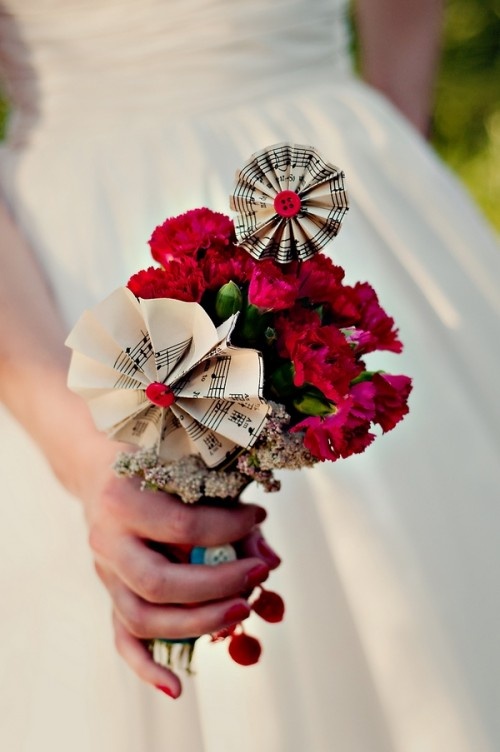
No project is too big or too small… just check out these upcycled pinwheels from old sheet music, found on Dishfunctional Designs blog. Small, delicate designs from upcycled material make a big statement. Check out the other great, inspiring ways this blogger has repurposed the music!

Where did I read that? A wrap up of bilingual stories and trends in education

Source: She Knows Activity Center

Learning Two Languages Makes Children Excel in Host of Skills

Counsel & Heal, August 4, 2012

Researchers say bilingual children are often on their mental toes, switching back and forth between two languages. That mental acuity has an influence on a number of abilities, new research shows. Studies show bilingual children have larger vocabularies, a deeper understanding of words, as well as “selective attention,” or, the ability to focus on what’s important.

Read more online

Who says Klingon is a dead language? The Calgary Herald, November 2, 2012

The language was created more than 30 years ago for the American Sci-Fi television show, Star Trek. With only 2,000 to 3,000 words, and new book coming out, it’s the most spoken fictional language ever created.

Read more online

Early Autism Intervention Can “Normalize” Brain Activity, Education Week, Oct. 31, 2012

Several parents with children with autism celebrated the release of this article over the Halloween holiday. Could be because the study simply shows that early intervention with focused interaction between parents and their children could lead to changes in the child’s brain activity. “This may be the first demonstration that a behavioral intervention for autism is associated with changes in brain function as well as positive changes in behavior,” said Thomas R. Insel, director of the National Institute of Mental Health

Read more

Will iPads Replace Textbooks? Seeking Alpha, November 1, 2012

If test scores keep going up, they will. Educators can’t ignore a student’s preference for an interactive tablet over a used textbook, and it seems grades are improving, too. “Houghton Mifflin recently performed a pilot study using an iPad text for Algebra 1 courses, and found that 20 increase in the number of students who scored ‘Proficient’ or ‘Advanced’ in subject comprehension when using tablets rather than paper textbook counterparts.”

Read more online