
FOL Fridays: The Value of Play

Kindermusik Music Class Playtime

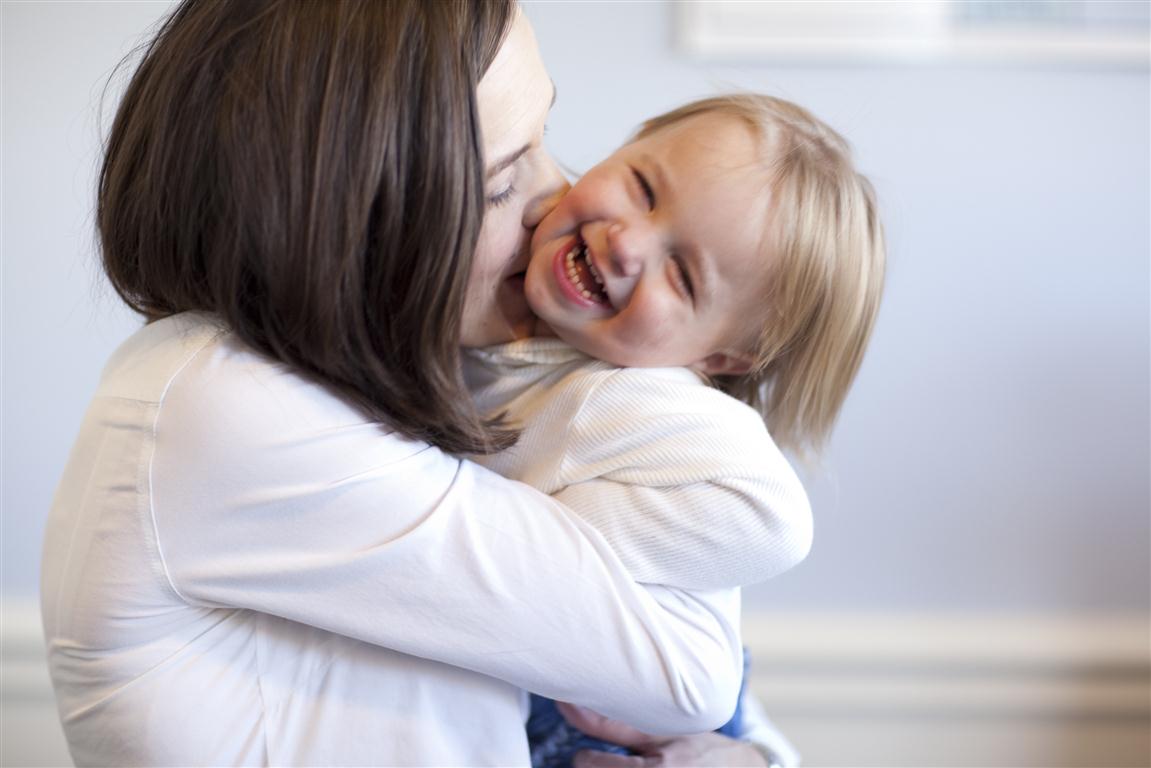
Play is a natural activity for children. The child a play is self-motivated and actively engaged. Whereas

games are governed by rules, the value of play is that it provides freedom from evaluation and judgment. The freedom of a playful atmosphere fosters intellectual development as well as self-construction and the development of personality.

Tips for parents: There are many things we as parents can do to inspire play. Just making sure your child has lots of time for free play is an important first step. You might also want to look at the play areas – inside and outside – and ensure that they are safe and inviting. Finally, consider adding some very simple toys and props to the playroom – things like wooden blocks, cardboard boxes and tubes, blankets, dress-up clothes, etc. will all help your child make his imagination come alive through his play.

– Contributed by Theresa Case, whose Greenville, SC program, Kindermusik at Piano Central Studios, is proudly among the top 1% of Kindermusik programs worldwide.
FOL Fridays: Benefits of Reading Aloud

Reading to Toddlers

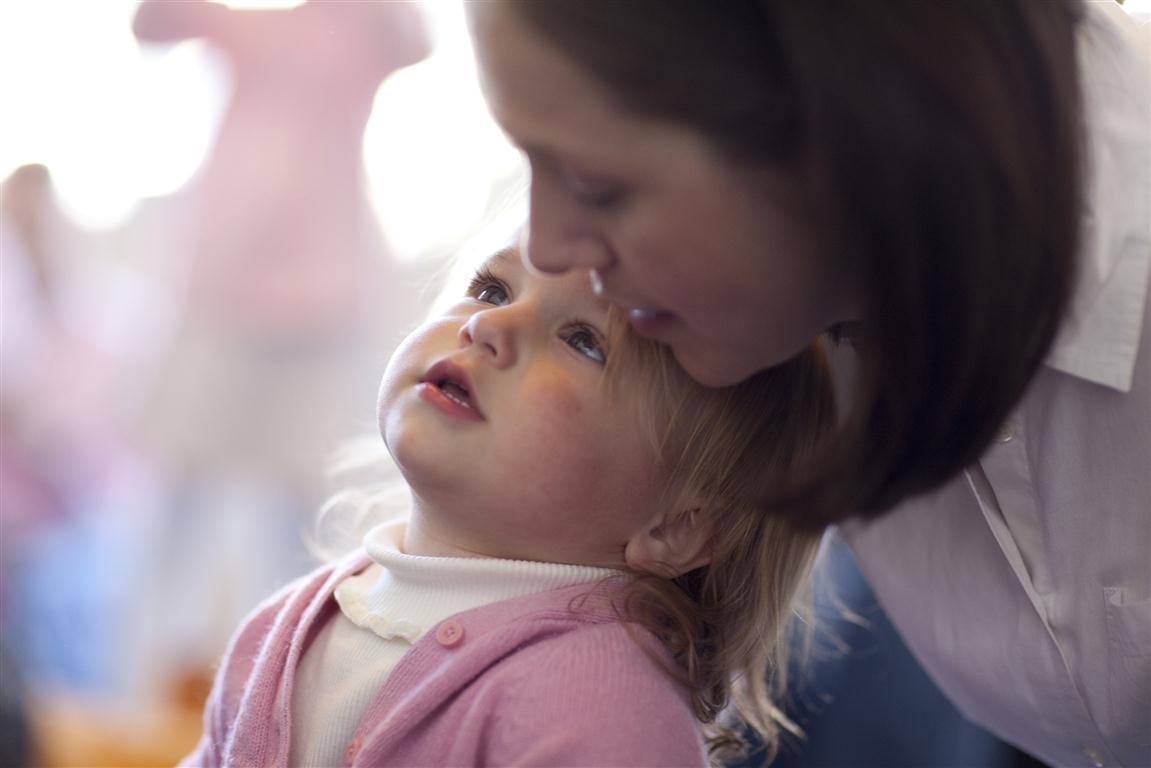
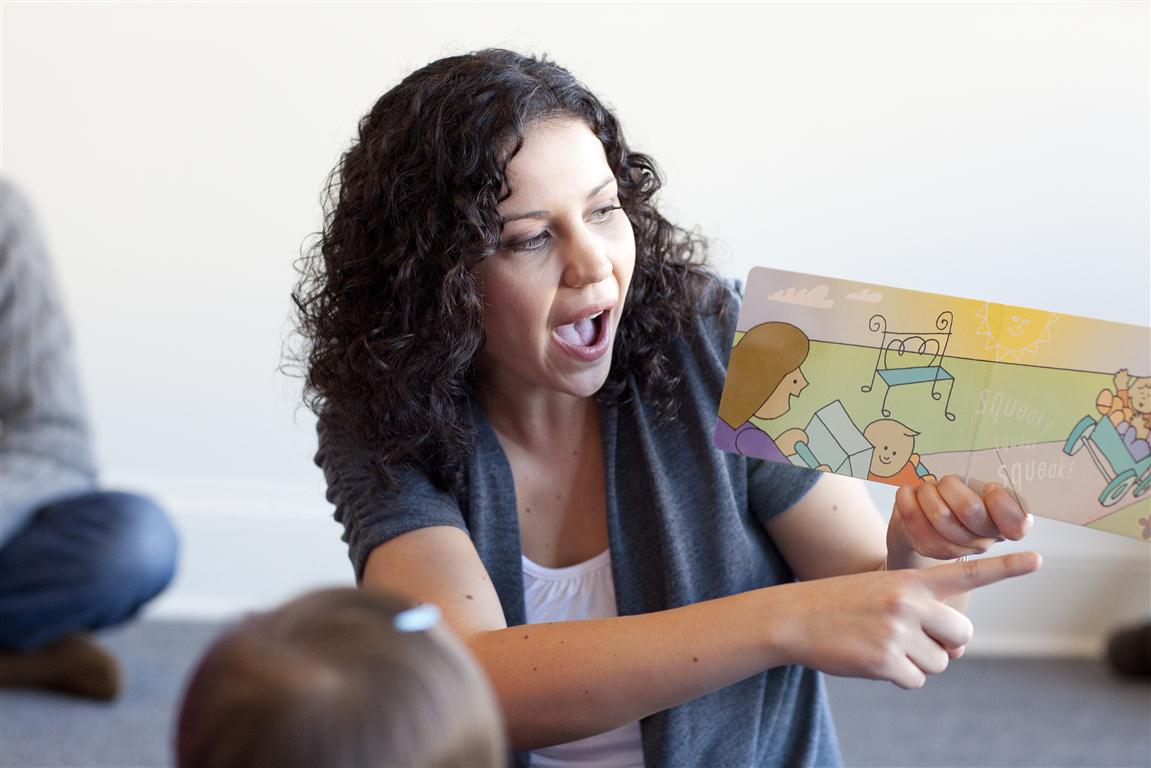
Reading to ToddlersReading to a child on a regular basis benefits him in several key ways. Reading increases his knowledge of the world, his vocabulary, his familiarity with the written language, and his interest in becoming literate. In fact, the larger the variety of fluent readers a child hears, the better.

Ideas for parents: Even if other special adults in your child’s life do not live nearby, it’s still possible for your child to hear them reading aloud. Hallmark has recordable books. Skype offers free video calls. And MailVU makes it possible to record and send a video email. The possibilities are endless!

– Contributed by Theresa Case, whose Greenville, SC program, Kindermusik at Piano Central Studios, is proudly among the top 1% of Kindermusik programs worldwide.

Minds on Music Quote

Minds on Music Quote

Minds on Music Quote

Music isn’t just learning notes and playing them. You learn notes to play to the music of your soul. ~Katie Greenwood

Kindermusik and Your Child: The Development of the Singer

Because they are experiencing an explosion of language, many preschool children tend to respond first to the words in a song rather than the rhythm or melody. Once they have heard the whole song and understand the song’s "story," they are most likely to then be able to concentrate on the melodic line. Children are most successful when singing songs that have a limited range, common rhythmic and melodic patterns, simple words, and plenty of repetition. That’s why Kindermusik songs are so catchy!

Joanne Rutowski, an expert on the child’s voice, describes the stages of vocal, or singing, development:

The Pre-Singer
Speaks rather than sings; uses little vocal inflection
The Speaking Range Singer
Talk-sings in a limited speaking range, with little vocal inflection
The Limited Range Singer
Sings in a range that is a bit higher than the speaking range but still limited
The Singer
Sings in a wide range; uses much vocal inflection when speaking

So what can you do to foster your child’s singing development?

  • Children love singing when they are singing songs they know. Download the tracks from your Home CD onto your iPod at http://play.kindermusik.com and keep your Home CD in the car so that your child can become familiar with the music from this semester.
  • Encourage your child to sing in a light head voice.
  • Surround your child with a rich listening environment.
  • Sing with your child. Love and enjoyment of singing is contagious!

When children are happily singing, they are stimulating all developmental domains: physical, emotional, language, and cognitive. Particularly

significant is the reinforcement singing provides in abilities relating to sequences, patterns, memory, and language.

Compiled by Theresa Case, whose Kindermusik program at Piano Central Studios in Greenville, SC, is proudly among the top 1% of Kindermusik programs worldwide.

FOL Fridays: Where’s the Balance?

The semicircular canals are three tiny, fluid-filled tubes in our inner ear that help us keep our balance. When we move our heads around, the fluid triggers the hairs that line each canal. These hairs translate the movement of the fluid into nerve messages that are sent to the brain. This is how the body knows to stay balanced (“Semicircular Canals.” 1995-2006). Interesting, huh?!

Tips for parents: Rocking, moving from side to side, and running are all physical activities that move our heads and result in helping our bodies stay balanced. This is why rocking and other healthy activity is so important to your child’s coordination and well-being. So take some time today to rock. Rocking can be calming

or energizing, depending on the need of the moment!

See how rocking is incorporated into this Kindermusik class:
[youtube]http://www.youtube.com/watch?v=sDvwNpkNd8U&w=400&h=300[/youtube]

– Contributed by Theresa Case, whose Greenville, SC program, Kindermusik at Piano Central Studios, is proudly among the top 1% of Kindermusik programs worldwide.

Around the World: Native American Flute

The Native American flute has achieved some measure of fame for its distinctive sound and the instrument was originally very personal. Its music was played without accompaniment in courtship, healing, meditation, and spiritual rituals.

There are many stories about how different Native American peoples discovered the flute. A common character in these stories is the woodpecker, who put holes in hollow branches while searching for termites. The wind would blow around these branches, creating sounds that the people noticed and eventually sought to recreate.

[youtube]http://www.youtube.com/watch?v=Sqq3U_mydv0&feature=related&w=400&h=300[/youtube]

Kindermusik and Your Child: Praise or Encouragement?

Kindermusik Music Classes

Kindermusik Music ClassesChildren need feedback on the work they do. But how can we provide feedback most effectively? Conventional wisdom would espouse that constant praise is necessary in our child-rearing… but is it really the most effective way to provide that much-needed feedback?

There is actually new research that would indicate that constantly praising our children is backfiring and even undermining their confidence! Praise, by definition, is an expression of worth, approval, or admiration. It is usually given to a child when a task or deed is well done or completed. In an article entitled "Encouragement or Praise for Children?" written by Elvin Klassen (written as a resource for parents teaching overseas), the author suggests that encouragement , rather than praise, should be our goal as parents and educators.

Encouragement in its best form should be specific, focused on the process rather than the finished product, sincere, focused on the effort made, non-comparative, and enabling the child to develop an appreciation for his own achievements. For example, instead of "Sally, you’re such a nice girl" – encouragement would say "Sally, I noticed you shared with Molly today." Remember, praise gives a value judgment and focuses on the person, while encouragement makes an observation about a behavior. We need to convey through words and gestures that we appreciate our child’s efforts and improvement, not just their accomplishments. Continue reading “Kindermusik and Your Child: Praise or Encouragement?”

FOL Fridays: Reading Time and Children

Reading to young children is such a valuable tool, not to mention a delightful activity with all kinds of benefits. Research shows that children who are read to do better in school, and that reading is also a calming, wonderful way for parents to bond with their children. Reading provides the experience of different types of language, rhythms, and sounds, as well as teaching about many topics that might not come up naturally in conversation.

Ideas for parents: Why not establish a “Reading Ritual” with your child? Make the ritual even more special by designating a reading chair, by setting aside a specific time each day to read, and by having a basket of favorite “read-aloud” books from which to choose. Even a few minutes a day spent reading to your child will have a lasting effect on your child’s emotional well-being and potential for academic success.

– Contributed by Theresa Case, whose Greenville, SC program, Kindermusik at Piano Central Studios, is proudly among the top 1% of Kindermusik programs worldwide.
Kindermusik and Your Child: Scaffolding

Kindermusik Music Classes for Kids

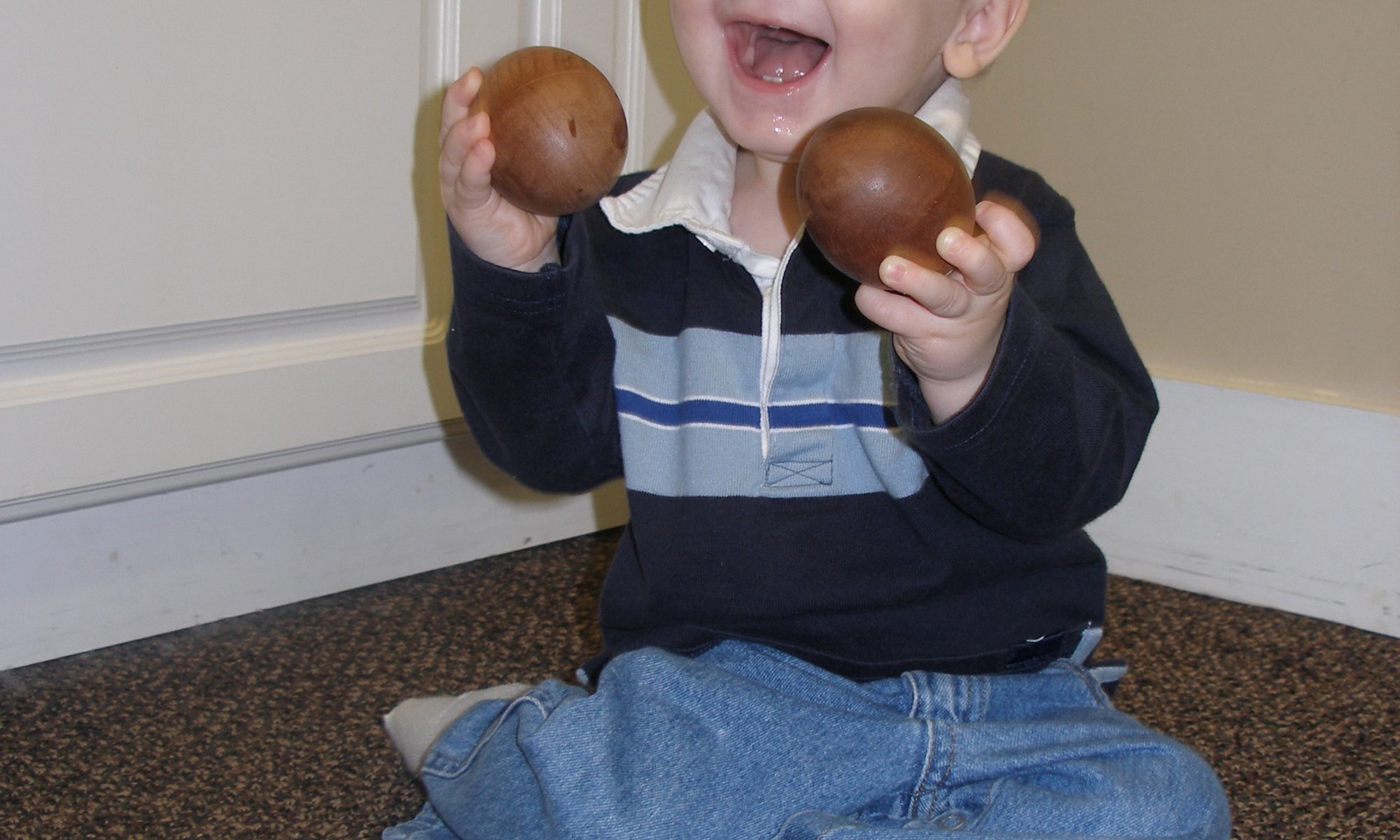
Kindermusik Music Classes for KidsScaffolding is an interactive means of learning that occurs between adult and child. In this process the adult gently guides and supports the child’s learning, responding to the child’s level of participation by asking questions, making observations, and issuing new challenges according to the child’s responses. Together, one layer at a time, the adult and child discover new ideas, experience new emotions, learn new language, and strengthen their trusting bond.

Steps to Scaffolding…
As a parent, you have probably used the process of scaffolding without even realizing it while helping your child do something that he couldn’t have done on his own. You have used scaffolding when you have helped your child put a puzzle together by asking questions, making suggestions, and giving hints. You may have noticed that the next time your child put that puzzle together, he needed less help. Through scaffolding, skills are mastered.

Examples of scaffolding strategies include: Continue reading “Kindermusik and Your Child: Scaffolding”

FOL Fridays: Sequence Development

Music and Learning

Music and LearningSequencing is the ability to remember an order of events or instructions. If you’re wondering how long of a list your child should be able to remember or follow, a good rule of thumb is that young children are able to remember a sequence with approximately as many steps as their age. For example, a two-year-old can likely complete a two-step direction, three-year-olds can often sequence three steps, and so on.

Tips for parents: Like most skills, learning to sequence is a skill that can be practiced. Look for ways throughout your day to help your child practice following steps or remembering a sequence. This “practice” can come in the form of giving instruction (i.e., Pick up your socks and then take them to Daddy.), giving a sequence of events (First, we’ll eat breakfast, then we’ll get dressed, and then we’ll go to Kindermusik!), or discovering the sequence in a story book.

– Contributed by Theresa Case, whose Greenville, SC program, Kindermusik at Piano Central Studios, is proudly among the top 1% of Kindermusik programs worldwide.