[vc_row][vc_column][vc_column_text]Happy Independence Day to those celebrating in the United States! Music has been with us from the beginning. Native peoples had their own music, used for ceremony and celebration. Settlers from Western Europe, mainly from the British Isles, the Netherlands, France, and Spain, brought with them a rich musical tapestry. Folk songs, tavern songs, and religious music from these cultures provided part of basis of an American musical sound. The music of the fields – songs of the slaves – were the bedrock of gospel, jazz, blues, and rock and roll, which were some of the first truly American original musical genres. Let’s learn a bit about American musical heritage!
Folk music of just about any culture is the musical language of its people. Often times, the rhythms and melodies are related to how people speak – the cadence of their speech patterns. What songs were popular in the late 1700s, right around the date of American independence? Here’s an example…Early One Morning, an English folk song that tells the tale of a young maiden forsaken by a young man.[/vc_column_text][vc_video link=”https://www.youtube.com/watch?v=ZGYdD3M6BH8″][/vc_column][/vc_row][vc_row][vc_column][vc_column_text]Here’s an early video recording of a Scottish folk song, The Four Marys, that found its way to Appalachia. It dates back to the middle of the 1700s. This recording is from 1966.[/vc_column_text][vc_video link=”https://youtu.be/mrPTrkpO6EQ?list=PL7C924A91D47257E1″][/vc_column][/vc_row][vc_row][vc_column][vc_column_text]
Tavern Songs
Our National Anthem actually uses the tune of an English drinking song, To Anacreon in Heaven, a tune written in the mid 1770s by John Stafford Smith for the Anacreon Society in London. Here is an ensemble at the University of Michigan performing the original work.[/vc_column_text][vc_video link=”https://youtu.be/3l-n64NWHS4″][/vc_column][/vc_row][vc_row][vc_column][vc_column_text]
Songs of the Fields
Africans from a tremendously wide variety of ethnic groups were brought to the colonies against their will and were forced into slavery. They brought music with them, rich in polyrhythms (multiple rhythms at once) and syncopated rhythms (think Satisfaction by the Rolling Stones – lots of syncopation there). The percussive nature of this music, coupled with syncopation and call and response formats, would find its way into many popular forms of the late 1800s and the 1900s such as blues, jazz, gospel, and rock. Listen to Roll Jordan, Roll, taken from the movie, 12 Years a Slave. Clapping on the back beat (beats 2 and 4), the syncopation on the word “Jordan,” and the contrast between the solo voice and the full group are all typical of the genre. Most slave songs related stories from the Bible, especially those that dealt with freedom.[/vc_column_text][vc_video link=”https://youtu.be/7oFcFzJT7Tw”][/vc_column][/vc_row][vc_row][vc_column][vc_column_text]
Early American Hymns and the Sacred Harp
In the late 1700s and into the 1800s, early shape note singing was used in New England, and worked its way down to the south and out to the west. In 1844, a collection of tunes called The Sacred Harp was published. Groups would gather together, without instruments, sit in sections in what is called the hollow square, with a leader in the center who calls the number of the tune to be sung. In recent years, Sacred Harp singing has experienced a resurgence. The tunes are characterized by even rhythms and are often based on the five note pentatonic scale (our normal scale has seven notes). Take a look at this mini-documentary on Sacred Harp singing.
Without the American genres of Rhythm and Blues and Country of the first half of the 20th Century, the American genre of Rock and Roll wouldn’t exist today. The music of African slaves found its way into churches and the folk songs of Europeans morphed into songs of Appalachia and influenced Country music. The melting pot of the United States does more than mix cultures, it also mixes the music of those cultures. We can trace the uniquely American musical genres of today back to the music of those that brought their music here. Here’s an early bluesman, Big Joe Williams, singing and playing Baby Please Don’t Go from 1935.[/vc_column_text][vc_video link=”https://youtu.be/g22l1hnAnlA”][vc_column_text]Now…fast forward 70 years or so and you can hear Aerosmith’s rendition of that original blues tune. Take a listen. Sounds a bit different…but you can hear its roots in Big Joe Williams’ music.[/vc_column_text][vc_video link=”https://youtu.be/9r25eLFBAc4″][/vc_column][/vc_row][vc_row][vc_column][vc_column_text]In the grand scheme of things, we are a young country. England’s been around in one form or another for over 1000 years. China, depending on who you talk to, is over 4000 years old. We’ll hit 250 in just under 10 years. But music…music is timeless. And once that music finds its way into our bones, it becomes part of who we are. You can’t tell the American story without Rock and Roll and R & B, without Country and Hip Hop. So while you’re watching fireworks this year, be sure to listen to some American music! There’s lots to choose from. I’m old fashioned – I’ll settle in with some booming Sousa marches. In fact, that’s what I’ll leave you with – Captain John Philip Sousa’s immortal march, The Invincible Eagle March. Happy 4th of July![/vc_column_text][vc_video link=”https://youtu.be/1hXGZwHsTcM”][/vc_column][/vc_row]
[vc_row][vc_column][vc_column_text]Lovingly known as “Nessa” or “Banessa” around Hive Creative Studios, Vanessa Lynch has been bringing the joy of Kindermusik to families and children in gorgeous New South Wales in Australia since 2011. Her families know her to be creative, generous, and hard-working, and it shows in Vanessa’s passion to use music education to inspire confidence, intelligence, and creativity in children of all ages at Hive. Visit Hive, and you’ll immediately understand why kids and families thrive at Hive! When Vanessa isn’t working on her studio, she loves cooking and kayaking on the lake with her family.
*Note from Theresa: Can you “hear” the Australian? We kept all of the Aussie spelling so that you could!
[/vc_column_text][vc_column_text]TC: Why did you open your business? VL: That’s a long story! I’ll try to be brief. Back when I was studying at uni (university) to be a high school music teacher, I completed an honours thesis on the value and importance of music education in schools. Whilst studying this topic, I discovered so much research on the importance of music in early childhood.
That stuck with me through the first few years of high school music teaching. It niggled in my mind as I taught classes of 30 teens who couldn’t care less about music class, and had no musical ability. I realised the futility of our education system for music and the arts – children in the early years were missing out completely on any musical training, but kids in high school who were way past the ideal learning years were being made to learn keyboard and singing when they didn’t want to!
I found a job teaching in London primary schools where I taught the nursery kids right up to 12-year-olds. As a 22-year-old, I was captivated by the openness to learning and the natural aptitude to learn music that I saw in the 2-7 year-olds. At that point I began to think about teaching early childhood music, and writing my own program.
Fast forward 8 years, and I had finished having my own family and was ready to enter the workforce, or rather thrust back into the workforce as my Hubby wanted to go back to uni.
It was just a perfectly natural thing for me to open my own business teaching early childhood music rather than look for work in schools. I was fortunate enough to stumble across Kindermusik in my web searches, and the rest is history![/vc_column_text][/vc_column][/vc_row][vc_row][vc_column][vc_video link=”https://vimeo.com/222511357″][/vc_column][/vc_row][vc_row][vc_column][vc_column_text]TC: What do you feel has made your studio business a success? VL: Making the Kindermusik program ‘work’ in the culture of my community. Putting myself into the teaching so that the class experience comes to life like an art form, changing and refining my approach to teaching until it’s exactly what my clients want and need.
TC: What’s your favorite Kindermusik song to sing? VL: I really enjoy the quality jazz style songs, like Turn, Cinnamon, Turn and Whistle While You Work.
TC: What’s your favorite Kindermusik dance to lead? VL: The funny techno version of Wheels on the Bus on Zoom Baby! It makes us all laugh and the babies love it.
TC: What do you love most about being a Kindermusik educator? VL: The sense of community and the satisfaction of sowing goodness, and artistic ability into people’s lives.
TC: If you had to name just one secret to success in the Kindermusik classroom, what would it be?
VL: If something isn’t working, change your approach – don’t complain or blame.
TC: What’s the funniest OR most touching thing that’s ever happened to you as a Kindermusik teacher? VL: I teach my best friend’s daughter which is really special. When she was 2 years old, one day she climbed into my lap while I was teaching, and all of a sudden she realised that she was now the teacher! And she started commanding the whole class – echoing everything I said and calling out instructions to them all. Everyone dissolved into giggles! :)[/vc_column_text][vc_column_text]
Parents and children “have a ball” at Hive Creative Studios.
[/vc_column_text][/vc_column][/vc_row][vc_row][vc_column][blockquote cite=”Vanessa Lynch”]”I love the sense of satisfaction in working with a child from birth up to school age and watching their talent grow and blossom.”[/blockquote][/vc_column][/vc_row][vc_row][vc_column][vc_column_text]TC: Describe a teaching experience or favorite Kindermusik family that has impacted you as a teacher. VL: One special family joined Kindermusik in my 2nd term of teaching. I only had a tiny collection of instruments and was really experimenting every week in the lessons to find the best way to teach (not easy after high school teaching!). She was so patient and lovely, and would make pointed, but kind suggestions every week that helped me to start making the Kindermusik program work for the kids I was teaching, rather than just ‘delivering’ the lesson. She brought both of her children to us until they started school, and I have always been grateful to her for sticking with me in those early years.
TC: If you could share one tip with a new Kindermusik educator, what would it be? VL: Start teaching Kindermusik because you love investing in people. When you feel frustrated by families in your classes, think about how you can change your approach, and as you do, it will change the families and grow your business.
TC: What’s something new and exciting that’s happening with your business, or a goal you have set for your business? VL: Oooooh right now I am very excited! We have just released our newest program at Hive called ‘Bee-School’ – a Creative alternative to Pre-School’ (all our programs are named to do with Bees). It’s a 3.5 hour drop off program that will include a full Kindermusik class, followed by an art, drama and Spanish class. I can’t wait to see how this goes, and we have loads of interest from the community. We don’t have any half-day childcare centres in our city, and we want to make the arts more accessible to families, so this is an exciting new concept for our community.
TC: What do you love most about being a Kindermusik educator? VL: I love the sense of satisfaction in working with a child from birth up to school age and watching their talent grow and blossom. It’s exciting to see the potential that develops in each child.
TC: What makes your studio such a special place? VL: It’s a happy place where every person is valued and treated with kindness and respect, and in return our staff are treated with kindness and respect by each other and by all of the clients. There are very few businesses around where kindness and respect for each other, and care for people over and above profit are normal everyday occurrences.[/vc_column_text][/vc_column][/vc_row]
[vc_row][vc_column][vc_column_text]If you are in the Northern Hemisphere, we hope you are enjoying the summer weather! If you live in the Southern Hemisphere, winter is just getting started (of course – winter is a bit milder in some parts of the Southern Hemisphere)! Well, whether you live north or south, we wanted to share a creative way of bringing the beach inside with you! It’s a fun, family activity – you can make a miniature beach scene all your own to remember that special vacation, or simply have a little reminder of warmer weather when things get dreary! Let’s get started…
A Ball canning jar works really well – and I don’t say that just because I went to Ball State! – (source: Pinterest)
[/vc_column_text][vc_column_text]
What You’ll Need
A glass bottle or jar of some type – canning jars work well as they give you a bit more room at the opening to really control your beach scene inside the container. If you want to go big, think of bulk jars of mayo or jam from your local warehouse club. Friendly suggestion – be sure to eat or relocate the contents before making you beach scene!
SAND! If you are at the beach, it’s all over the place. Just grab enough to fill the bottom third or so of your bottle or jar. If you aren’t near the beach, hardware stores sell bags of sand. You wont need all of it, but don’t worry – Pinterest has plenty of ideas for the left over sand. You’ll run out of sand before you run out of fun projects!
Shells – the right size for your bottle or jar. Remember, they have to fit in the opening.
And if you can find them or have the time…
Sea Glass – You can find pieces of sea glass if you take a long walks on the beach. It can add some color and texture to your beach in a bottle.
Dried Star Fish – because really, what beach scene is complete without a star fish. A plastic one will do in a pinch.
DIY Mini Beach Chair – Want to really make your scene authentic? Try your hand at making a mini-beach chair out popsicle sticks or craft sticks. If this is a family activity, perhaps have an older child work on this.
[/vc_column_text][vc_column_text]Here’s a Kindermusik video that walks you through the process![/vc_column_text][vc_column_text][/vc_column_text][/vc_column][/vc_row][vc_row][vc_column][vc_column_text]
Step by Step
Fill the bottom third with your sand. You can shake the bottle of jar to level it out, or leave it uneven for that beach dune look!
If you made the mini beach chair, put that in first.
Place your shells and sea glass on the sand. There’s really no wrong way to do this – you’re in charge. Put them in the middle, around the edge, scattered randomly – whatever you like!
Seal up your bottle or jar and display it for all to see! Placing it near a sun-filled widow will add a nice touch to your scene.
[/vc_column_text][/vc_column][/vc_row][vc_row][vc_column][vc_column_text]And there you have it! A little bit of the beach inside your home. If you are feeling really adventurous, place a picture of the sky inside the bottle of jar to give your scene an authentic backdrop! You can even place a picture of your little one from that special trip inside the jar!
[/vc_column_text][/vc_column][/vc_row][vc_row][vc_column][vc_column_text]As an added bonus, here’s Maestro Kindermusik Educator Beth Anspach reading from the Kindermusik Creatures of the Ocean Booklet, I Like the Beach. Enjoy![/vc_column_text][vc_video link=”https://www.youtube.com/watch?v=ajKavm7r_bI”][/vc_column][/vc_row]
[vc_row][vc_column][vc_column_text]Whether it’s a beach stay-cation or an actual trip to the beach in store for you, we’re here with some fun and simple ideas for bringing the beach indoors and creating memories that are sure to bring smiles to everyone’s faces for a long time to come. Best of all, instead of “I’m Bored!”, we bet you’ll even hear that sweet little voice begging with a smile, “Can we do that again, Mom?”
[/vc_column_text][vc_column_text][/vc_column_text][vc_column_text]Commotion in the Ocean by Giles Andreae[/vc_column_text][vc_column_text][/vc_column_text][vc_column_text]Good Night, Beach by Adam Gamble[/vc_column_text][vc_column_text][/vc_column_text][vc_column_text]At the Beach by Anne Rockwell[/vc_column_text][vc_column_text][/vc_column_text][/vc_column][/vc_row][vc_row][vc_column][vc_column_text]
At Home Beach Music – Dance, Sing, and Play Along!
All albums are downloadable from play.Kindermusik.com
The next time you need a little something to keep a little someone occupied, pull out one of these ideas and head to the beach – even if it’s just in your imagination!
[/vc_column_text][vc_column_text]Ideas shared by Theresa Case who has an award-winning Kindermusik program at Piano Central Studios in beautiful upstate South Carolina, where she’s not too far from the beach![/vc_column_text][/vc_column][/vc_row]
[vc_row][vc_column][vc_column_text]I’ve said it before and I’ll say it again: I love books that ask questions. A question immediately engages a child before you even start reading a book. Their minds spin…they want to know the answer. And in the case of Yamada and Besom’s beautiful book, What Do You Do With A Problem, finding the answer to that question is a journey of what-ifs that just about every child and adult can relate to. Let’s dig a little deeper.
[/vc_column_text][/vc_column][/vc_row][vc_row][vc_column][vc_column_text][/vc_column_text][vc_column_text]Meet our nameless main character. The choice to represent the protagonist without a name easily allows a child to subconsciously slip their own name into the story. It’s told in the first person – again, all of these I statements will connect your little ones to the plot. From the first page, we see the also-unnamed problem manifested as a dark cloud above our young friend’s head. Who can’t relate to this imagery?…the shadowy, floating void that follows you no matter where you turn. The opening lines set the tone:[/vc_column_text][blockquote cite=”What Do You Do With A Problem?”]”I don’t know how it happened,
but one day I had a problem.
I really didn’t want it. I didn’t ask for it.
I really didn’t like it having a problem,
but there it was.”[/blockquote][/vc_column][/vc_row][vc_row][vc_column][vc_column_text]Like any of us might do in a similar situation, our new friend tries to ask the problem questions. Nothing works. As the story progresses, the problem grows and starts to make its target worry. Some questions any child might ask are proffered:
“What if it swallows me up?”
“What if my problem sneaks up and gets me?
“What if it takes away all my things?”
The apparent lesson grows along side the growing problem. The more you worry about the problem, the bigger and bigger it gets.
Mae Besom perfectly illustrates the increasingly large problem, filled with wayward compass points, curious woodland creatures, rain clouds, and jagged tree branches.
[/vc_column_text][/vc_column][/vc_row][vc_row][vc_column][vc_column_text]Hiding doesn’t work. Avoiding it doesn’t work. Senselessly dwelling on it doesn’t work
What is our friend to do?
A ha! Face the problem and plan how do deal with it. And what is found inside is the revelation of the book. Inside the problem is an opportunity. The dark drawings of the previous pages are filled with the beautiful light of opportunity. The lesson of the book is revealed with our friend now dressed as an explorer, looking for more opportunities.[/vc_column_text][vc_column_text]
Our young protagonist sets sail, searching for the next opportunity.
[/vc_column_text][/vc_column][/vc_row][vc_row][vc_column][vc_column_text]Kobi Yamada tells a wonderful story in a way that draws a child in. They’ll be able to see themselves in the book. Yamada cleverly leaves gender out of the picture, as does Besom, making it easy for any child to instantly relate to the main character.
The illustrations transition magically from dark and shadowy to bright and airy. Children will go on the journey and realize that self-regulation can be its own reward.
What Do You Do With A Problem? answers its own question with ease. Part of a whole series of books for young kids that ask questions, this transformational tale will quickly become a favorite! The book is currently available in hardcover from your favorite local bookseller or online.[/vc_column_text][/vc_column][/vc_row]
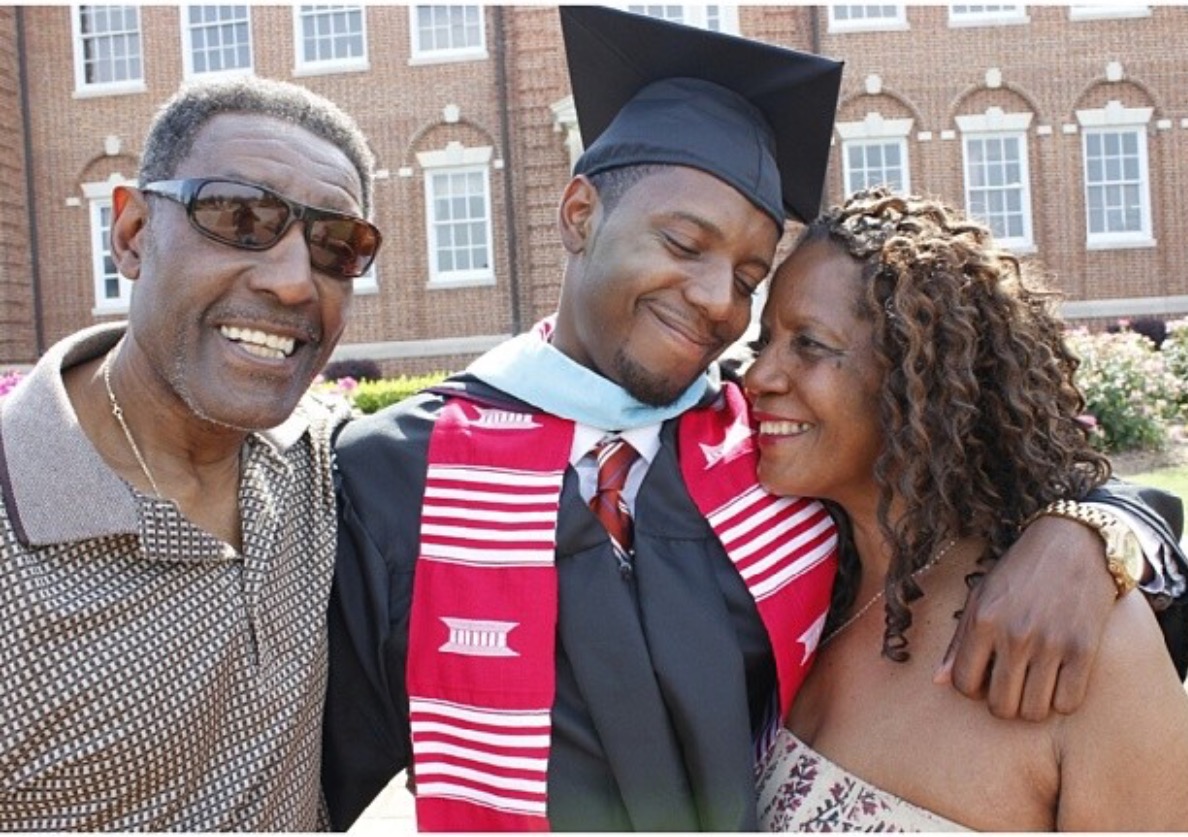
[vc_row][vc_column][vc_column_text]Public School Educator Barry White, Jr. grew up in the New York City Borough of Queens – Cambria Heights, Queens to be precise. It’s about as far out as you can go before leaving New York City and venturing out to Long Island, proper. White’s alma mater, Claflin University, is located in Orangeburg, South Carolina. There are about 14,000 people living there in an area three and a half times larger than where he grew up. The contrast is striking. He fell in love with the south and wound up staying to start his teaching career. His experiences, both as a student and a young teacher would impact his teaching style and how he interacts with his young scholars.
[/vc_column_text][vc_video link=”https://www.youtube.com/watch?v=4JueNr1e0H4″][/vc_column][/vc_row][vc_row][vc_column][vc_column_text]Dr. B: So…a New York City resident in the South. Did you get teased about the accent?
BW: All the time! Down here in the South they can hear it…”I can tell where you’re from!” But then I go back home and they say “Man, you’re Southern now…you lost your New York accent!” I’ve been one to adapt to those around me and take on their language and vernacular.
Dr. B: Sure – it helps with acceptance and becoming part of the group.
BW: Definitely!
Dr. B: Are you saying “ya’ll” yet?
BW: Ha! No, I haven’t got that deep yet.
Dr. B: So when you decided to leave Queens, you left to go to college, yes?
Dr. B: Do you think your educational experience as a kid while growing up in Queens has impacted how you interact with your students?
BW: I would definitely say so. I grew up in an urban neighborhood – an urban school where we had to go through metal detectors entering the building. When it comes to interacting with kids from that background, how to speak with with them, how to relate to them; I’m not a fish out of water. We can have great conversations because of that shared experience, because of what I was accustomed to growing up. I can say to my students “I understand how you’re feeling. I experienced this, too.” And the kids can relate. It definitely makes a big difference in our relationships.
Dr. B: When you were at Claflin, where did you do your student teaching?
BW: I did my student teaching at Whitacker Elementary. My phenomenal mentor teacher was Miss Kennedy. That was probably one of the most amazing times I’ve had. I was able to see how she handled her classroom. Her management was so spot on. I learned a lot from her.
Dr. B: What about your first year teaching? What did that first year teach you that you didn’t learn in college?
BW: My first year I taught in a small town here in South Carolina – Jefferson Elementary in Jefferson. There I had a a phenomenal coach as well in Miss Garrison. The atmosphere was so inviting. The staff itself was a family. You could tell right away. They took me in, being from New York. I didn’t have any family around in Jefferson, South Carolina. They taught me the value of relationships with other adults. It would have been rough for me as a new teacher just coming in there if everybody was just doing their own thing.
Dr.B: They showed concern for a new teacher.
BW: Exactly. It would have been a rough experience without that. I had amazing kids that year. It wasn’t curriculum based. It was paced and guided. I was able to express my own creativity. I was able to say “Ok, I want to try this…” They allowed that in the classroom. I was basically given the keys to the classroom and told “whatever you think is a great idea, go for it – let’s see how it works. We’ll check in on you and help you with whatever you need.”
That kind of environment really dictated where I am now as an educator. That experience the first year let’s you figure out whether you really want to stay in the classroom. Being in that type of environment and having those types of people around me – big on family and building relationships – really made it comfortable for me. It was a great first experience because of them.
[/vc_column_text][/vc_column][/vc_row][vc_row][vc_column][blockquote cite=”Barry White speaking about his mentor at his first job, Ms. Garrison”] “She played a big part in showing me how someone can extend their hand to somebody they just met and change their world. It definitely did mine.”[/blockquote][/vc_column][/vc_row][vc_row][vc_column][vc_column_text]
Mr. White takes a selfie with some of his students.
[/vc_column_text][vc_column_text]Dr. B: Sounds like they made you feel like a teacher right away.
BW: Absolutely. There were no training wheels. They wanted to make sure I knew “Hey – we are equal. You are a teacher just like us and we are going to do everything we possibly can to make you feel that way.”
Dr. B: You mentioned Miss Garrison…
BW: Yes – she was our literacy coach. She coached all the grades – K-5. For me, she was more than a coach. She became my school mom. Fresh out of college – young guy – the only African American male in the building, period – and the only male teacher…
Dr. B: Oh, wow!
Yes…exactly. You could feel isolated. She was almost like my mom. She invited me to Thanksgiving, to church, to play ball with her kids. She took me in and made sure I knew…”This is our family and you are part of our family now.” She played a big part in showing me how someone can extend their hand to somebody they just met and change their world. It definitely did mine.
Dr. B: Sounds like you were in the right place at the right time.
BW: You hit the nail on the head. The timing couldn’t have been more right. I was coming in to a small town – everybody knew each other and I’m the first male teacher in the school. There are a lot of things that come with that. The people there made me love my job and what I do. Of course the students played a big part but to have that type of family environment really set the tone for my career path.
Mr. White having some costumed fun with his students.
[/vc_column_text][vc_column_text]
The Beginning of the Handshakes
DR. B: That’s really fantastic. How long have you been teaching in Charlotte, North Carolina… at your current post?
BW: This is my second year at Ashley Park.
DR. B: How long have you been doing the handshakes with the students?
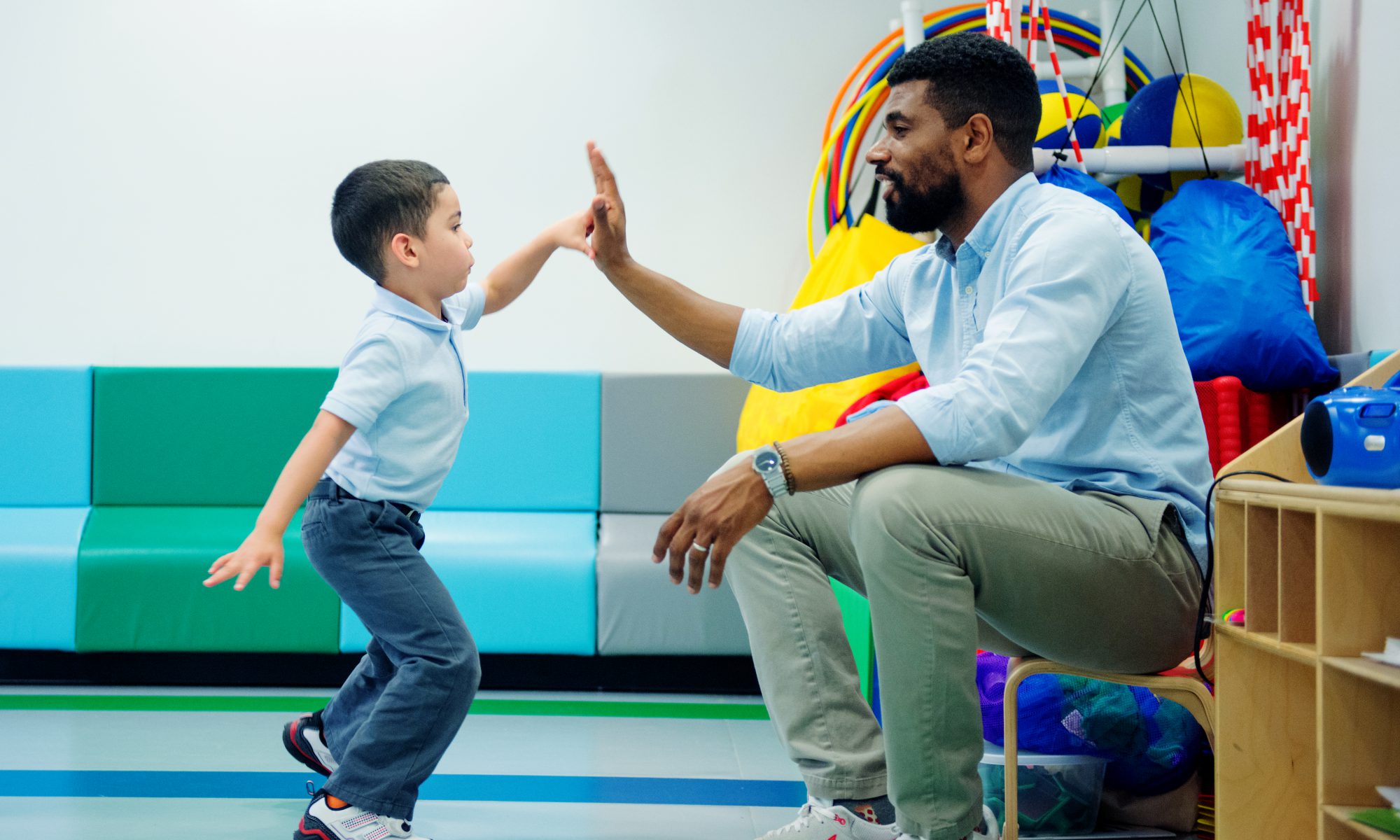
BW: Last year, I started doing a handshake with one student; that’s really what kind of sparked this. She was a 4th grader and I was teaching 5th grade. She’d wait outside my classroom every morning to do a handshake…something that seemed so simple to anybody on the outside looking in. It meant so much to her. She knew she was important to somebody, and that set the tone for her entire day. It was so powerful for me to see that.
This year, I pulled out to my entire 5th grade class. At the beginning of the year at recess I’d say to a student, “Hey, you want to do a handshake with me?” As I was already looked as the “cool teacher” everybody jumped on it. It was so amazing to see the joy and excitement – it was contagious. It spread down the line and increased the level of engagement. It speaks to how I feel – everybody should feel important to somebody…to know they matter. This shows them that I care about them, that I respect them, and I respect you enough to take the time to remember it.
I’d be remiss if I didn’t mention that LeBron James inspired me a little bit. His team has that trust and that bond with each other with their handshakes, I wanted to take that concept and make sure I applied that to all my 5th grade class this year.
DR. B: It’s that safe physical contact, too – the idea that another human being wants to connect with you in a safe way – I think it’s really positive. Speaking of positive – negativity and positivity are similar in that they are both contagious.
BW: Absolutely.
DR. B: If you are a negative person that can spread like wildfire, but if you’re a positive person, I think that can spread at an even faster rate because it feeds the soul. Do you think that if that young 4th grader hadn’t started this last year that you would never have done this with your whole class?
BW: She definitely sparked it…accelerated it. I probably would have gotten there eventually, but seeing how much that meant to her certainly impacted me.
DR. B: Once you initiated this with all of your students, did you see a change in the classroom atmosphere?
BW: Absolutely. Like I tell my colleagues, before I can ask a cild to invest in the the content I’m teaching them, they have to invest in me. We’re constantly told, make your content culturally relevant. Make the content relevant to their lives. But we have to step back and ask ourselves, “Am I relevant to their lives?” It won’t matter if the content is relevant if they don’t see me as relevant.
As a result of the handshakes and other relationship building techniques, I’ve seen an increase in engagement in class – and that’s probably the number one thing you can ask for as a teacher. Everybody’s paying attention…they’re listening to what you’re saying. They’re able to grasp the content better than they would if they were distracted. The culture in the classroom is more positive.
DR. B: There’s that word. Positive.
BW: Exactly. When a scholar gets a question right, their clapping for him; they’re cheering for him. I’m not even cueing this. The other day, one of my scholars was taking a bit of time to answer a question, and one of his colleagues turned around and said, “You got this!” She sparked it and everyone else joined in. “Let’s go Donald! Let’s go D!” Once he got it, everybody started clapping. The amount of positivity is amazing.
DR. B.: I love the fact that you call them scholars.
BW: It’s standard at Ashley Park – we refer to our students as scholars because they are scholars. Sometimes I might throw in Mr. or Miss, to give them that proper respect.[/vc_column_text][vc_video link=”https://www.youtube.com/watch?v=zuBcWPXqHGI”][/vc_column][vc_column][/vc_column][/vc_row][vc_row][vc_column][vc_column_text]DR. B.: It almost sets a standard without setting the standard. If you call them something and they have a choice to live into that standard because of the trust that you are building with them.
BW: Definitely. It silently influences them without them knowing it. Just hearing that name, you start to buy into that.
DR. B: I teach at a university outside of Pittsburgh and we are constantly placing students with co-op teachers for their student teaching experiences. I wish I could send a student down to you! They’d learn so much.
How would you say this process that has unfolded over the last year has changed you as an educator?
BW: Well, I really think I’m starting to see the bigger picture. Fresh out of college…teaching…you can get caught up in test results…data…the logistics…professional development. That can become stressful and make a lot of educators resent their jobs. It’s really a 24 hour job.
You can let that affect you – or – you can really see the bigger picture, and for me, is the idea of really impacting these students, and nit just academically, but as people, by building their character. For me, I make sure my classroom management is tight and we’re getting the job done scholastically, but the thing I want them to really remember is how I treated them. That can become contagious. “When I was in 5th grade I had a teacher who showed me the utmost respect…who really cared about me.” I want that positivity to spread to someone else. They might remember 65% of what I teach them but they will always remember 100% of how I treated them.
We’re building the next generation, the next president, doctors, professors…I want them to have that same attitude – to treat other people fairly and with respect.
DR. B.: It’s really clear that you are taking the time to build empathic, compassionate people that realize they are part of something bigger.
BW: 100%. Really focusing on their emotional intelligence. Self-awareness…self-regulation…really driving that in. That’s a really huge part of who we are.
DR. B.: I can tell from talking to you that the handshakes are just a very small part of who you are as an educator. It’s been an honor talking to you! Outside of the handshake, from where do you draw your inspiration, both in life and in the classroom?
BW: One – my faith; keeping God in my life. And really from my parents. Watching how they treated me, my siblings, and even other people – especially my Dad – everywhere we went he had a smile and a complement for people. “Hey, your hair looks nice!” It didn’t matter. He was always kind. I watched the people’s reactions and how it made them smile and how it made their day. I’ve been inspired by Mrs. Garrison and my people here. I constantly see how much other people value relationships and how much effort they put in to build something positive. The biggest thing – my scholars. They are so full of positivity. I think about the impact I can have on so many children – and you never know what they are going through. To be that positive beacon of light drives me.
DR. B: Well…it’s obvious to me that you live for your scholars. I’m grateful for you and for your time, Barry. Thanks so much!
BW: Thank you for reaching out!
[/vc_column_text][/vc_column][/vc_row][vc_row][vc_column][vc_column_text]Barry White is exactly who you’d expect him to be: a kind, generous, intelligent man who would do anything to make sure his scholars know they are cared for. The world needs more educators like him![/vc_column_text][/vc_column][/vc_row]
[vc_row][vc_column][vc_column_text]My earliest memories involve music. My mother would sing I’ve Got a Crush on You to me as a very young child. Most of my closest friends came to me through music. I met my wife because of music. When our children came into the world, music was playing in the delivery room. Music has been the master builder in my life, building bridges and strengthening relationships. I knew from a young age that my career would involve bringing music to others. The relationships with those with whom I make music are some of the strongest in my life. How does music do that? How does it wrap itself around the invisible connections between people and reenforce them?[/vc_column_text][/vc_column][/vc_row][vc_row][vc_column][vc_column_text]
Trust and Empathy
As a kid, I was acutely aware that kids I sang with in choir or played with in band were closer friends than those friends with whom I didn’t make music. In fact, as a 40-something year old man today, the school age friends I remain connected to today are all friends who shared music making with me. While one could argue that this was simply because of the amount of time we spent together, science tells us there’s a bit more to it.
When you make music with someone, it has an impact in the part of the brain (the supramarginal gyrus in the cerebral cortex for those who really want to know) that deals with empathy, trust, and compassion. This area lights up when one makes music. If you’re making music with others, you will be more likely to empathize with them, to feel compassion toward them. Perhaps this is the secret behind the documentary Playing for Change: Peace through Music. If you feel empathy and compassion for a fellow human. you are more likely to relate to them. It’s hard to call someone you relate to an enemy.[/vc_column_text][vc_column_text]
The supramarginal gyrus (G. supramarginalis) of the cerebral cortex – found in the red area.
Think about what it takes to make music with other people – you must coordinate entrances, tuning, rhythm, pitch, breathing, dynamics, phrasing…the list goes on and on. Much like team sports, making music with others requires giving up a little of yourself to be part of the whole. All of this cooperative work can result in something called biological entrainment. As groups breath together, heartbeats can become synchronized. This biological coordination happens pretty quickly. Pretty amazing, isn’t it? Psychologist Jill Suttie puts it this way:
Performing music involves coordinating of our efforts, too…at least if we want to produce a pleasing sound. According to researchers, when we try to synch with others musically—keeping the beat or harmonizing, for example—we tend to feel positive social feelings towards those with whom we’re synchronizing, even if that person is not visible to us or not in the same room. Though it’s unclear exactly why that happens, coordinating movement with another person is linked to the release of pleasure chemicals (endorphins) in the brain, which may explain why we get those positive, warm feelings when we make music together.
There are so many instances in which music has been the bridge between cultures – as the art form exists in every culture on earth. Take the instance of Daniel Barenboim, a well-known Jewish conductor, and Edward Said, a Palestinian born American citizen. Their friendship resulted in some musical bridge building. From Culturesofresistance.org:
Their friendship led them to hold a series of public talks at New York’s Carnegie Hall, which were gathered in the book Parallels and Paradoxes. The reception was so positive that in 1998 the two launched an ambitious project together: the West-Eastern Divan, an annual summer workshop that brings together young musicians from Israel and the Arab world (Egypt, Syria, Lebanon, Jordan, Tunisia and Palestine) for musical training and cultural seminars on neutral ground. The first workshop took place in Weimar, Germany, in 1999. Since 2002, the workshop has made its permanent home in Seville, Spain. Each summer, following the workshop, the West-Eastern Divan Orchestra gives a series of public concerts. They have performed in Europe, North and South America, Cairo, Ramallah, and Istanbul.
This orchestra is still in existence and continues to build bridges between young musicians from these different cultures. The groups motto? Equal in music.[/vc_column_text][vc_column_text]
Barenboim rehearses the West-Eastern Divan Orchestra.
I am eternally grateful to count among my close friends musical colleagues, former students, and fellow musicians from my childhood. Not all of those elementary friends went on to be professional musicians, but most still make music on a regular basis. They’ve encouraged their kids to get involved with musical activities, as have I. The gift of music creates ripples that move outward, impacting the musicians, their audiences, and how their audiences interact with the world.
[vc_row][vc_column][vc_column_text]Some kids are naturals, born for the stage. You’ve seen them before. Little or no training and singing and dancing like pros. For some, performing does not come that easy, if they can do it all. I know a student that struggled to find his place not only in the music room, but in any room. His story can be an inspiration to us all.[/vc_column_text][vc_separator][/vc_column][/vc_row][vc_row][vc_column][vc_column_text]I met Matthew 4 years ago when he was a 2nd grade student. Frequently during music class, he would hide behind the other kids, in the back of classroom, often too self-conscious to participate in the lesson. He once ran out of the room crying because he thought the other kids were looking at him and saying he wasn’t doing things right. When it was time to play recorder in 3rd grade, Matthew drew on his papers instead of playing. Even when I encouraged him to stay after class to play when no one else was watching, he declined saying he couldn’t do it. During 4th grade, which was a very difficult year for Matthew, he was diagnosed with Autism. This explained a lot of his behaviors, but did not solve them. Through a carefully thought out plan for behavior and academics, Matthew slowly began to show improvements. Although his work was steadily improving, Matthew struggled to find his place among his peers. Because of his frequent outbursts, name calling, and accusations of wrongdoing that are part of his disability, Matthew struggled to be recognized as a friend by his classmates. This year, Matthew is in 5th grade. At the start of the year, he signed up for chorus. While I knew Matthew to be a good singer, I wondered how he would handle the large number of students in the group (62) in our small music room. More than half of the students he didn’t know at all because they were in 6th grade. Not only did he sit in the front row for every rehearsal, he seemed to thrive as we sang together. He was finding a place. [/vc_column_text][/vc_column][/vc_row][vc_row][vc_column][vc_column_text]In January, our school was mounting our first ever musical production. While Matthew didn’t audition, he was very interested in coming to see the show, Schoolhouse Rock LIVE! Jr. in February. While eating lunch one day, I mentioned to my fellow specialists that I needed some planet artwork for the song ‘Interplanet Janet’. The art teacher said she knew just who I should ask…Matthew! As often happens to children on the autism spectrum, they find one specific thing and focus on it. Matthew had an fascination with all things related to the solar system, and he was GREAT at drawing the planets! I bought some poster board and went to ask Matthew for a favor. When I told him I needed him to draw the planets so we could use them in our show, he started shaking and crying he was so excited. I then took him to the art teacher, who gave him some of her “special” markers and pencils to use for the project. She let him keep them when he was done. For the next few days, Matthew kept showing up at my door to deliver the most recently completed planet and to get the next poster board. He was beaming every time I saw him!
We performed our musical two nights for the public and in two assemblies for the students of our school. When Matthew attended his assembly, we were anxious to see his reaction to his planets. When we got to ‘Interplanet Janet’ and his planets were up for all to see, he could not contain his excitement. He was crying, smiling, shaking, and saying, ‘This is best day of my whole life. Everyone can see my planets. This is my dream come true’. Needless to say, we were all crying too.
The planets were then displayed in the hallway and when I recently took them down, I gave them to Matthew. I’m sure they are now hanging in his room as a reminder that he was ‘part of the show’. [/vc_column_text][vc_separator][vc_column_text]Jane Boyle is a 22 year veteran music educator who has taught in New York, Hawai’i, California, Indiana, New Jersey, and Pennsylvania. Countless students have passed through her classrooms of the years and have experienced her complete dedication to their musical growth. She resides in Western Pennsylvania with her husband, Dr. Mark A. Boyle, and their two boys, Nathan (a trombonist) and Patrick (a singer). Oh…there’s also two cats, Orpheus and Mimi, and a dog, Skylar. [/vc_column_text][vc_column_text]
Matthew, thrilled to be surrounded by his awesome artwork!
[vc_row][vc_column][vc_column_text]Here in the States, summer is almost here, and with it often comes changes to our normal routines. As adults, we adapt to the break and look forward to a change of pace – a different kind of busy. But a change in routine can be very unsettling to young children who not only need the security and predictability of routines, but actually thrive physically, emotionally, and cognitively on those routines.
Whereas we as adults are driven by our clocks and calendars, the day is defined by routines for young children. Deviate too much from those routines and you can potentially end up dealing with fussiness, whining, or tantrums. The reality is that life is unpredictable at times, so teaching our kids how to adapt and be flexible is a valuable life skill. So how can we keep some consistency in those routines that are so necessary to small children?
Start and end your day the same way
Keeping your morning and evening routines makes what happens in between a little easier for your young child. Even the smallest things like the order in which you get ready in the morning or the way you always read together before bed will be very comforting.
Keep that favorite toy or book handy
Children find security in what’s familiar. It’s why some kids really latch on to a certain stuffed animal or blankie. So tuck that favorite toy or book in your bag when you’re on the go, and offer it to your child when you sense he’s needing a little distraction.
Lean into the changes
If you know that your summer is going to be different for the next several months, create some new routines – and then stick to them. What’s hardest for children is not knowing what’s happening next because the next day is always different.[/vc_column_text][/vc_column][/vc_row][vc_row][vc_column][vc_column_text][/vc_column_text][vc_column_text]
Talk through what’s coming up
This is especially helpful for older toddlers, preschoolers, and big kids who are beginning to be old enough to understand and flex better with change. Surprises can be unsettling, so simply taking a few minutes to let them know what to expect will go a long way towards making day go much more smoothly for everyone.
Infuse your day with music
Sing your child’s favorite song as you load up in the car, turn on that beloved Kindermusik CD as you travel, or play that favorite lullaby playlist before bed. It’s all about finding ways to include the familiar even when there has to be a change in the normal routine. A simple thing like playing or singing some favorite songs can make all the difference in how the day goes.
Stay enrolled in some of your regular activities – like Kindermusik class!
Anchoring your week with a beloved and familiar outing goes a long way in your child being able to adjust better to other changes. Children mark time by their predictable activities – precisely the reason why Kindermusik educators regularly have parents share that their child wakes up asking, “Is today my Kindermusik day?”[/vc_column_text][/vc_column][/vc_row][vc_row][vc_column][vc_column_text]Life is full of surprises, yes, and often the day’s activities are somewhat out of our control. But the goal with young children is to control what we can, keep whatever routines we can, and add in the touches of the favorite and familiar to give a sense of comfort and predictability wherever possible. And our best tip?? Music makes everything better – all day, any day, every day.
Shared by Theresa Case, whose favorite part of the week is when she’s enjoying her Kindermusik teaching routine in her award-winning Kindermusik program at Piano Central Studios in Greenville, South Carolina. [/vc_column_text][/vc_column][/vc_row]
[vc_row][vc_column][vc_column_text]Any parent who’s been attending Kindermusik classes for even a short period of time quickly realizes just how enjoyable and powerful singing, dancing, playing, exploring, and making music can be – not just for their child, but also for them! It’s no surprise then, that Kindermusik Educators are often asked for ideas about how to include more music into daily routines at home during the week in between classes. With nearly 40 years of research and wisdom backing us, we’re always thrilled to share some ideas. Here are a few of those best ideas compiled here for you!
Tip #1 – Sing, sing, sing!
The most beautiful sound in the world to your child is your voice, whether you think anyone else would agree or not. Over time, you’ll have an entire repertoire from your Kindermusik classes, and you’ll even get skilled at making up your own words for a new verse or two!
Tip # 2 – Keep the music playing
Create playlists or simply let the music stream – in the playroom, in the car, before naps, and before bedtime. It’s really amazing to watch as your child starts to tune in to sounds of instruments (even naming them!), hums or sings along, breaks out into a spontaneous happy dance, or develops strong opinions about favorite types of music.
Tip # 3 – Start a collection of musical instruments
One of our Baby Bags!
Start off with the basics – egg shakers, bells, and drums – then add other age-appropriate instruments along the way. We recommend keeping your instruments separate from your toys, so that even from an early age, children are learning how to listen, handle, and explore the instruments with focus, care, and creativity. With you there to support and engage, exploring instruments is an especially delightful learning and play activity.
Tip #4 – Make your own homemade instruments
This is a fun, rainy day activity that will keep your child occupied, both as you are making the instrument together and later, as he enjoys exploring and playing with the instrument. Two simple ideas to get you started are making homemade ankle bells or even a homemade guiro.
Tip #5 – Use a favorite lullaby to calm and soothe
Many parents tell us that there are one or two of our Quiet Time lullabies that really touch them and their children. Learn the words so you can sing those lullabies at home, whether at those times when your child needs a calming moment, a close cuddle, or back rub and song while she falls asleep.
Tip #6 – Enjoy a little impromptu dance party
Tears quickly turn into giggles and smiles as you waltz and twirl around the room together, either to a song you hum or a favorite recording from Kindermusik class. The type of music you choose can fit the need of the moment. For example, if your child is fussy and needing your attention, cuddle up for a gentle waltz. If your little one is bouncing off the walls, go for a lively jig.
Tip #7 – Make the most of your Kindermusik Home Materials
Chock-full of ideas and inspiration for you and engaging musical play for your child, your Kindermusik Home Materials are one of your best go-to resources not only for enhancing your overall Kindermusik experience, but for providing hours of learning, engagement, and interactive play at home during the week.
These are simple ideas that are oh-so-easy to incorporate either spontaneously or as a planned part of your child’s day. Without a doubt, music really can make your “everyday” moments a little happier, a little sweeter, and a little easier!





 [/vc_column_text][/vc_column][/vc_row][vc_row][vc_column][vc_column_text]

 [/vc_column_text][/vc_column][/vc_row][vc_row][vc_column][vc_column_text]Make a Salt Painting

 [/vc_column_text][vc_column_text]
 [/vc_column_text][vc_column_text]
 [/vc_column_text][vc_column_text]
 [/vc_column_text][/vc_column][/vc_row][vc_row][vc_column][vc_column_text]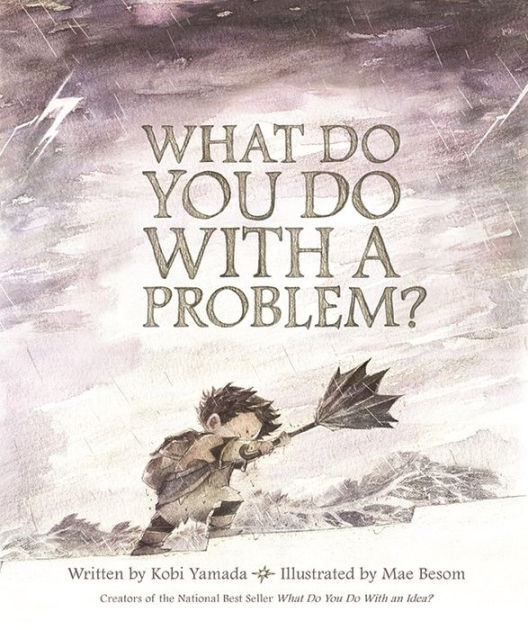
 [/vc_column_text][vc_column_text]Meet our nameless main character. The choice to represent the protagonist without a name easily allows a child to subconsciously slip their own name into the story. It’s told in the first person – again, all of these I statements will connect your little ones to the plot. From the first page, we see the also-unnamed problem manifested as a dark cloud above our young friend’s head. Who can’t relate to this imagery?…the shadowy, floating void that follows you no matter where you turn. The opening lines set the tone:[/vc_column_text][blockquote cite=”What Do You Do With A Problem?”]”I don’t know how it happened,




 [/vc_column_text][vc_column_text]