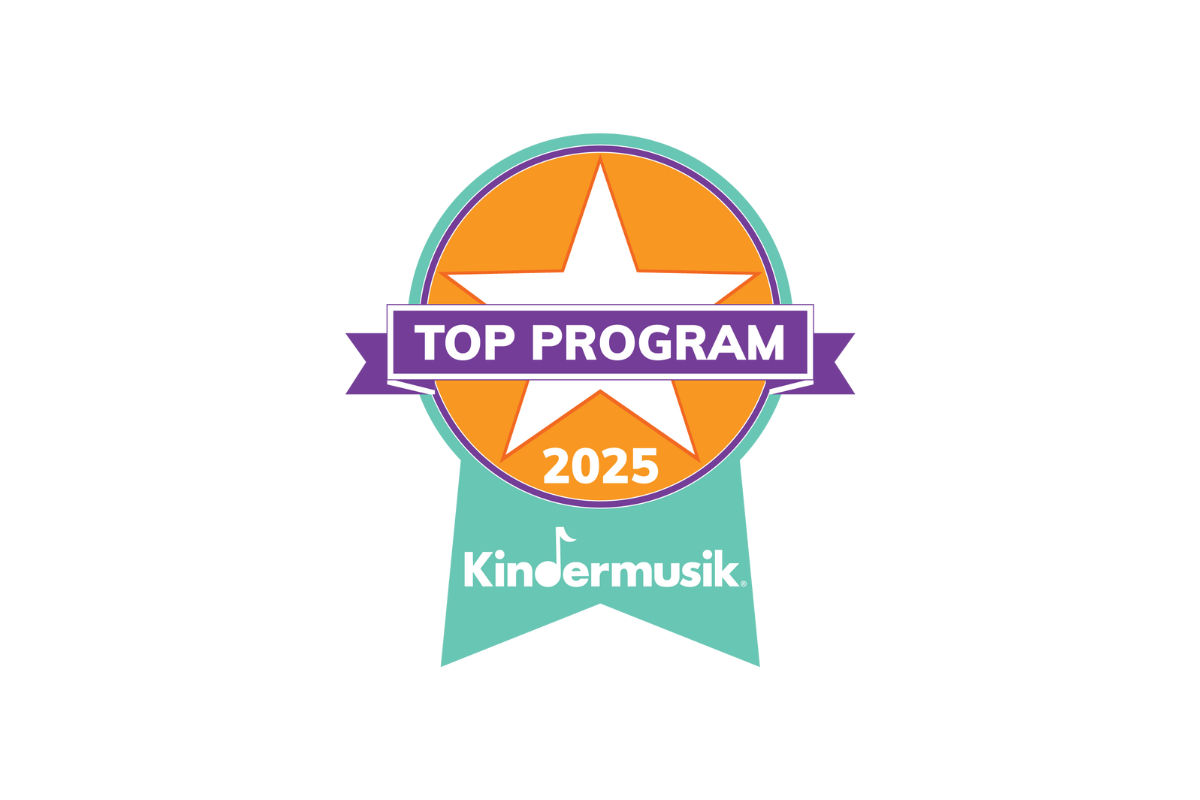

Have you ever searched for a Kindermusik class and wondered what that circular “Top Program” icon really means? Each year, we award Kindermusik Top Program status to studios across the globe with the highest registrations and other factors that contribute to their offerings being the best early childhood music and movement programs around.
Through genuine community connections, an investment in their team’s training, and meeting families where they are, Crisel Consunji and her team at Kindermusik by Baumhaus had the second highest number of registered families in 2025 for Kindermusik classes in the world.
Meet Crisel and take a look at this amazing Kindermusik Top Program from Hong Kong!
7 Questions with a Kindermusik Top Program
Crisel, how many years have you been accredited?
I became licensed in 2009. I have been teaching Kindermusik since 2012, and teaching my own program since 2014.
Tell us a little bit about your teaching journey. Why Kindermusik and what has growth been like since you started your own program?
I grew up as a professional child musical theatre performer, so I know first-hand how it feels to grow up in the Arts—the benefits, the challenges, and the need to adapt our processes to the psychology of the child. I noticed that many teachers were great with older children, but to reach the youngest learners, more pedagogy in the early years needed to be applied. So, I trained in a Kindermusik program to understand how to meet the needs of young children, and pursued a master’s degree in Early Childhood Education to understand behavior management and psychology. Blending the strengths of both artistry and pedagogy has been instrumental in shaping the way my team at Baumhaus approaches teaching Kindermusik.
When I started my own program in 2014, I was the only educator. I added two other educators in 2015—our team slowly grew, and so did our ranking. By 2018, we were in the top 10, and by 2025 we were first in Asia and 2nd in the world. While it’s nice to have a high ranking, what I’m most proud of is how we consistently grew. It’s a mark of our commitment and our effort to keep doing what we love, and promoting what we believe in.
What do you think are the key factors behind families choosing your classes and coming back year after year?
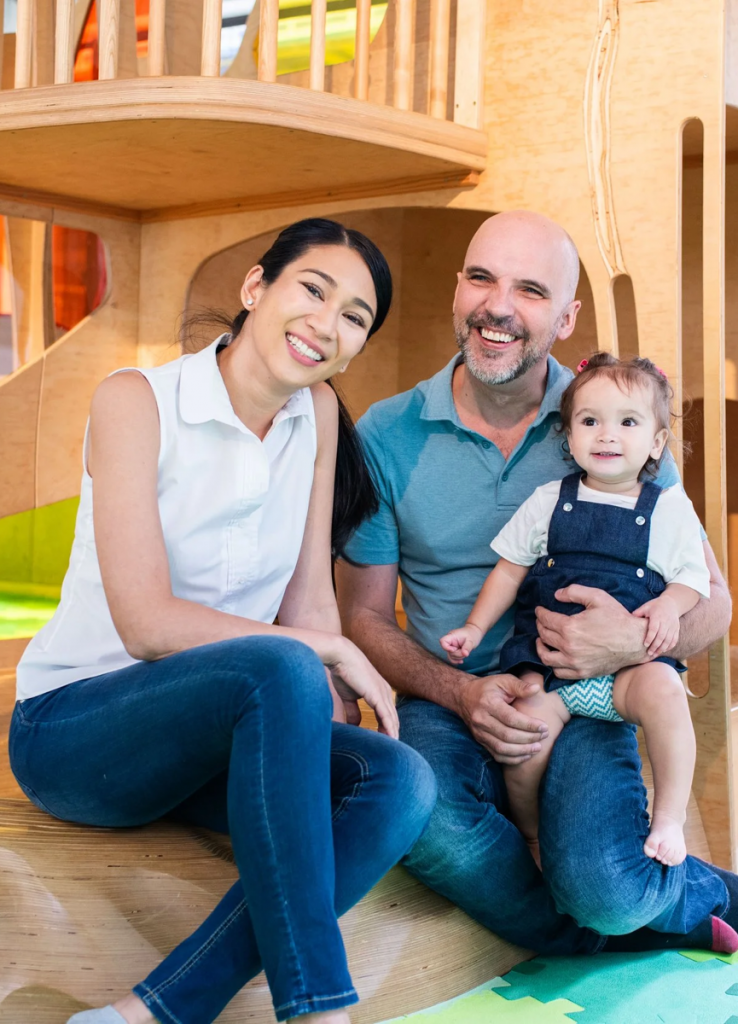
I believe the success of our program is based on two very important areas—a consistently good product, and strong connection with the community.
Building a consistently good product means making sure that we keep learning and enhancing what we do from an educational standpoint. Parents get savvier and more knowledgeable about early childhood development, and so we must also be well-versed with educational methodologies and progressive ways of teaching and learning. Over the years, we’ve studied different schools of thought, figuring out how to deepen what we know by borrowing concepts from infant, toddler and parenting philosophies, from therapists and special education practitioners, etc.
Parents get savvier and more knowledgeable about early childhood development, and so we must also be well-versed with educational methodologies and progressive ways of teaching and learning.
– Crisel Consunji
Secondly, we attribute our success to making genuine connections in the community. We invest a lot of time and effort into community events, meet-ups, and workshops for families. Our teachers also take a lot of time to reach out and chat with families and support them in their parenting journey—beyond simply explaining music activities.
How do you invest in your teachers and what kind of professional standards do you require?
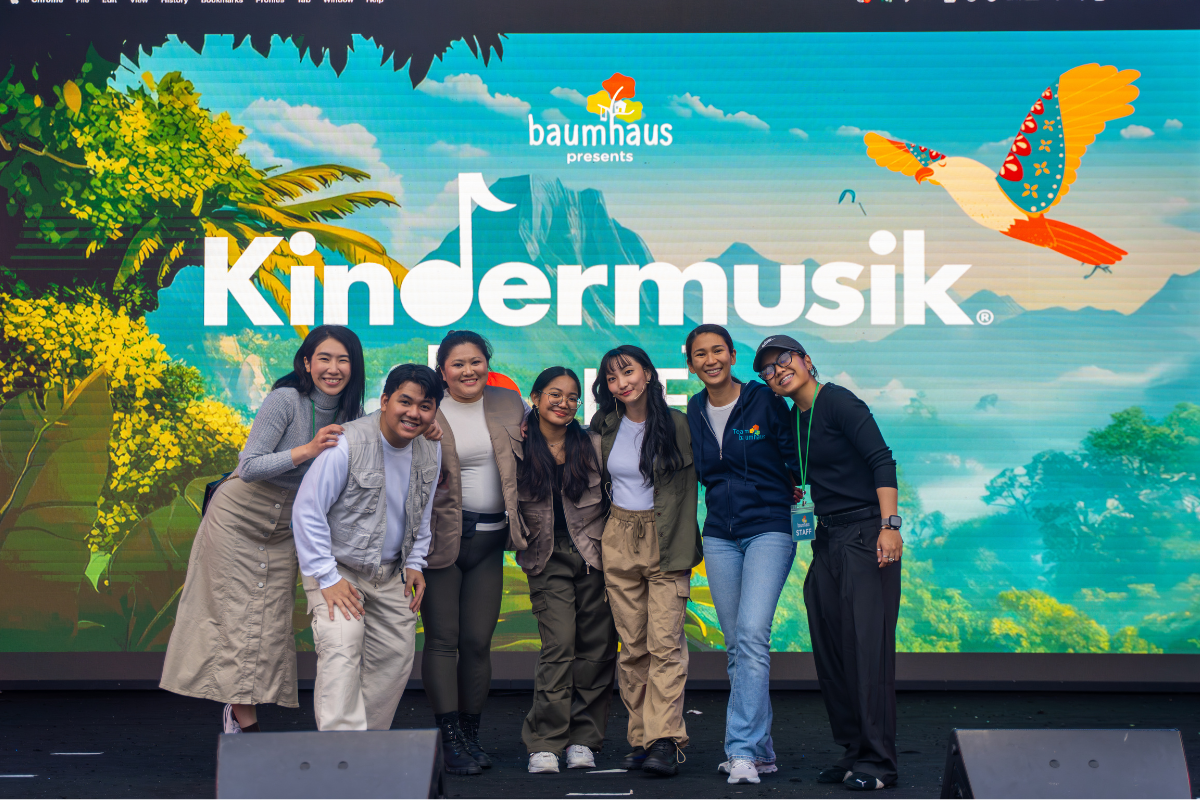
Building consistent quality means that we invest a lot of time ensuring that all our teachers are trained to a high standard. Most of our teacher trainees spend at least three to six months co-teaching with an established teacher. This ensures that knowledge and culture transfer among our team is consistent and even.
Tell us a little bit about your community. What have you learned from them and what about them drives you to create a safe, creative, and supportive space?
What we’ve learned from families is that all parents in our community want the best for their children. Parents are also under immense pressure and stress, and one of the things that keep us going is that we make parents proud of themselves by affirming who they are and what they do for their children. In turn, happy parents have more freedom to raise balanced children. It’s a win for all.
What continues to drive you as a Kindermusik Educator?
What drives me as an educator is seeing how many families are transformed through Kindermusik—children who discover their talents and potentials, and parents who discover how truly joyful it is to celebrate your child for who they are.

What drives me as an educator is seeing how many families are transformed through Kindermusik—children who discover their talents and potentials, and parents who discover how truly joyful it is to celebrate your child for who they are.
– Crisel Consunji
What vision do you have for your studio in the years to come? This could be anything from hiring a new educator/offering a new class to opening a new storefront to partnering with a philanthropic organization.
I want our studio to continue to be a training ground for teachers who transform the landscape of early years education through creativity and music. I would like to be able to do more research and programs that can be rolled out across more communities. In the end, if we are able to make our program more accessible to families who need it most, our work is truly complete.
Find out more about Top Program studios like Kindermusik by Baumhaus, and locate one near you. If you’re interested in becoming an Accredited Educator like Crisel, check out our training options. Connect with Crisel and Baumhaus on Instagram and Facebook.