

#1 Misconception about musical play for kids: the participants need to be musically inclined.
Musical play should be all about awakening and refining senses and skills to help children soar in any environment, and home is the best place to start.
Creating a musical home doesn’t mean parents and caregivers can play instruments or know any of the top Broadway tunes. A musical home is simply a safe environment where listening to music, appreciating and enjoying music, and actively engaging in musical activities are part of everyday life.
10 reasons why we think music belongs in every child’s home
1. Children naturally and instinctively express thoughts and feelings through movement and music.
Watch your baby’s eyes light up as you dance and sing “Skinnamarink” to her. Or listen in on your child’s play time… chances are you might catch your little one singing or humming to themselves. For some entertainment, see what happens when you start playing some of your child’s favorite music. There will almost always be some kind of response!
You can find a great version of this tune on our free app!
2. Music provides children a method of communication long before they can speak.
This is an amazing video of a 3-month-old baby “singing” back to her mom. Wait for it… this little one really gets going once she gets warmed up!

3. Singing makes children (and grown-ups!) feel happy.
And it’s not just because you’re singing your favorite song. The act of singing actually releases “feel good” hormones in the brain. Singing also makes us feel good because it is usually a social activity—singing with family, singing with friends in a Kindermusik class, or even singing in a chorus or choir.
4. Music builds a child’s confidence.
Learning to sing, dance, and play instruments gives a child a confidence unlike any other activity. Perhaps it’s because music can be such personal self-expression or because making music with others feels so rewarding.
5. It’s good for their brains.
From language skills to early literacy skills to math skills, music supports healthy cognitive development with a proven positive impact when compared to children with less music in their lives.
6. Listening to a wide variety of musical styles and genres teaches children about the world around them.
As a reflection of ourselves and of our culture, music all around the world is distinct and diverse. But it also tells a story…the story of our past, our present, and even of our future. Diversity in musical listening encourages children to be creative, open-minded, and inquisitive.
7. Music creates memories.
From quietly humming a lullaby to bouncing a child in time to the beat of a song to singing a certain tune at dinnertime to get a child to open up, music knits together those everyday family moments.
This morning routine repeats itself in bedrooms around the world—snuggling in bed and singing songs.

8. Music supports a child’s fine and gross motor skills development.
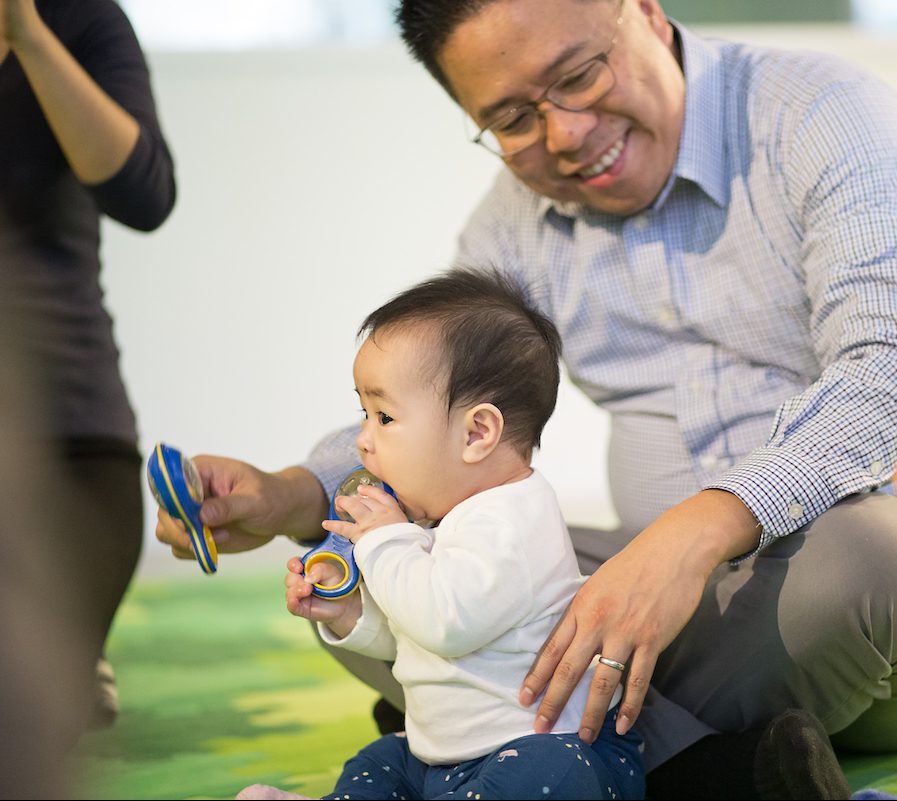
Exploring and playing all kinds of instruments—from shaking and tapping baby-safe bells to grasping the mallets to play the glockenspiel—develops those fine motor skills so crucial for writing, tying shoes, or playing the violin someday. And what better way to learn to walk, jump, skip, or gallop than with music that inspires you to move in just those ways!
9. Music can create connections between the generations.
Musical styles may change from generation to generation, but a love for music never changes. Music is still the one thing we can all share and have in common. Music gives a way to be together, sing together, dance together, and make memories together.
10. Best of all…music, especially shared music-making, is fun!
We must never overlook the obvious need for children (and families) to actively engage in joyous activities together, and there’s nothing like music to bring families together, put a smile on their faces, and happiness in their hearts.
Want to learn how to bring more music into your home? Find an in-person or virtual Kindermusik class and follow us on social media for practical tips!